Platform for the food and beverage industry
Dairy cooperative Milcobel is the first Belgian company to join startup Claire and from now on will also offset part of its CO2 emissions locally through Belgian sustainable agriculture projects. Claire stands for 'Clean air' and goes for locally climate neutral. The startup brings companies that want to offset their CO2 emissions together with parties that want to reduce, avoid or even store CO2 emissions.
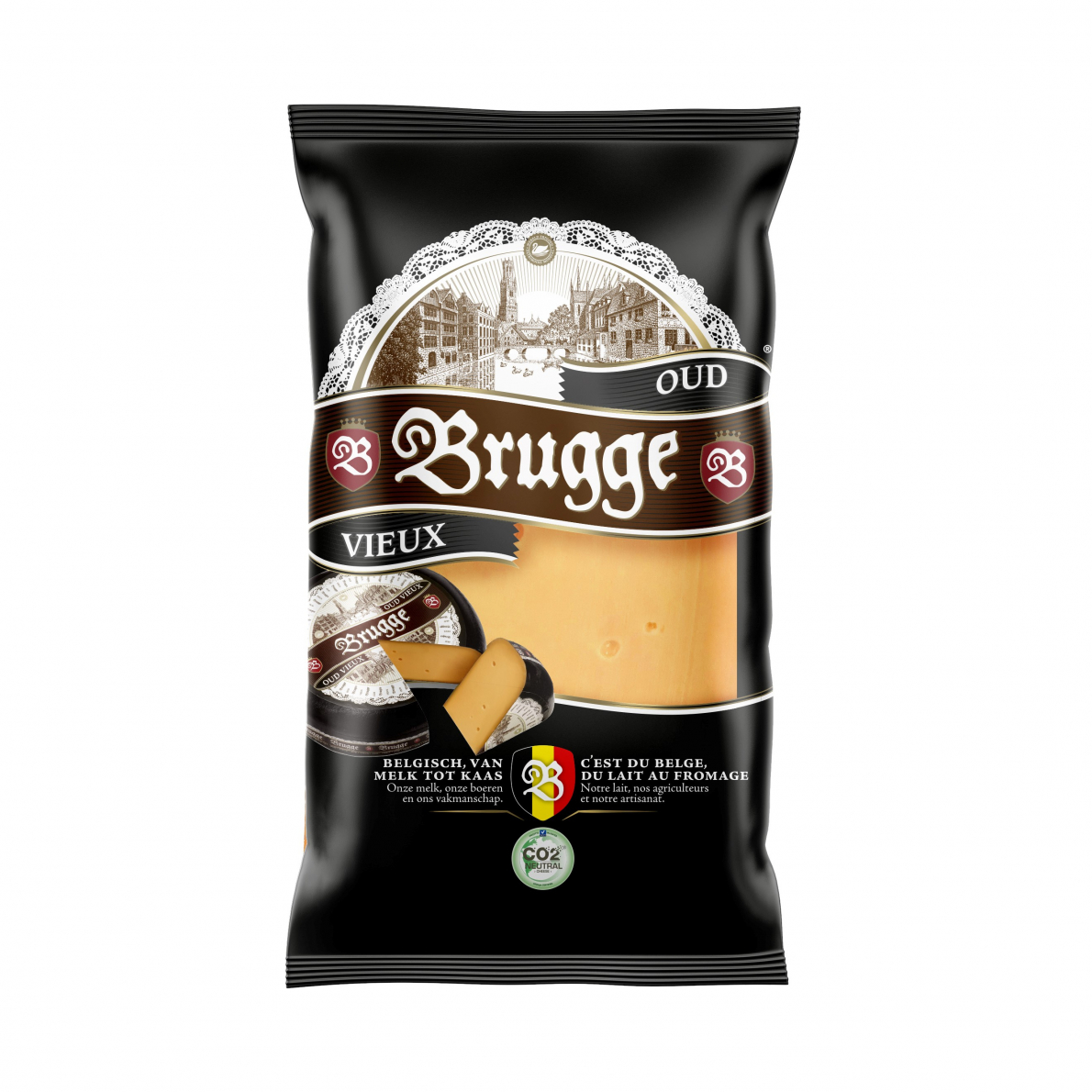
Recently, Milcobel launched the CO2-neutral Bruges Cheese, a first on the Benelux cheese market. To achieve this, Milcobel calculated the carbon footprint of its cheese from "cradle to gate", mapped out possible CO2 reductions and compensated the remaining CO2 emissions. That compensation was initially done via a windmill project abroad. Now Milcobel is adding local projects.
Nils van Dam, CEO of Milcobel, explains, "During our CO2-neutral Brugge Kaas trajectory, we already investigated the possibilities of offsetting part of the CO2 through local projects. The reason is clear: local compensation has a higher social value for our cooperative, because our members can also receive additional compensation for their efforts. Until recently, there were no local providers of CO2 offset projects with that local added value, which also makes it attractive for our farmers."
"Meanwhile, the young startup Claire developed a very interesting model around local carbon credits," Nils continues. "It's simple, transparent and for us the most important thing: our dairy farmers can also take measures around CO2 reduction themselves and receive an extra payment for this."
A recent study by KU Leuven showed that Flemish dairy farmers achieved a CO2 reduction of 30% per liter of milk over the past 20 years. In addition, through carbon farming, dairy farmers can store an additional 5% of CO2 per liter of milk in the soil. Concrete measures that dairy farmers can take include the use of green cover crops, the use of grass clover or alfalfa, the introduction of compost or farmyard manure, and the planting of wood edges.
Nils van Dam: "We believe very strongly in the concept of a local CO2 marketplace, where Belgian companies can offset their CO2 emissions through sustainability initiatives at local farmers. That's why we also want to support Claire. That way we set up an ecosystem here and the circle is closed. Carbon farming can to some extent be an alternative business model for local farmers. They receive compensation for their sustainability efforts. In addition, local companies that want to evolve towards carbon neutrality at an accelerated pace can do so thanks to a local project. This is how we become more sustainable together."