Platform for the food and beverage industry
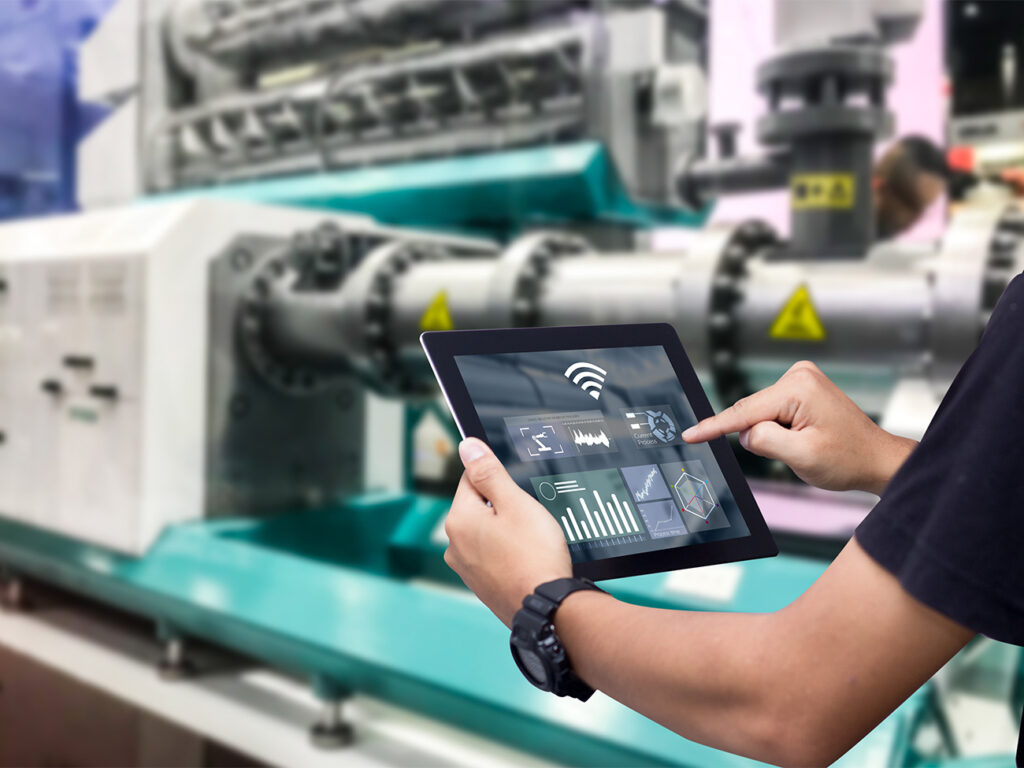
Manufacturers are under pressure to improve reliability, performance and control of and over their production processes. At the same time, they are seeing a reduction in the number of experienced employees and need to reduce production and maintenance costs. The only way to meet this challenge and also meet the expectations of the employees of the future is to embrace digital technology. Digitizing process instrumentation will help improve application validation, instrument selection and device commissioning. In other words, it will contribute significantly to the safety and efficiency of your company's industrial production equipment.
Competitiveness in the industrial sector increased sharply in recent years. On the upside, a whole host of experienced employees are leaving on retirement in the coming years. However, monitoring processes remains a crucial task. It will therefore be necessary to look for innovative methods that can boost efficiency and reliability and reduce risks and costs. The answer? Better and wider application of smart tools and counting on partners. Where sensors and miscellaneous used to be chosen from thick catalogs, manufacturing companies are now seeking more expertise from their suppliers. They are evolving from offering products to solutions.
An important element in modern instrumentation is to prioritize integration. The typical isolation of workflows in management systems must actually give way to an integrated flow, in which valuable digital data can be easily exchanged across all stakeholders involved. Eliminating these barriers will boost overall performance, help operators and engineers save time and provide improved control over instrumentation projects. From the core of control systems, a central monitoring system must be created for users, intelligently integrating sensors, actuators and process analysis.
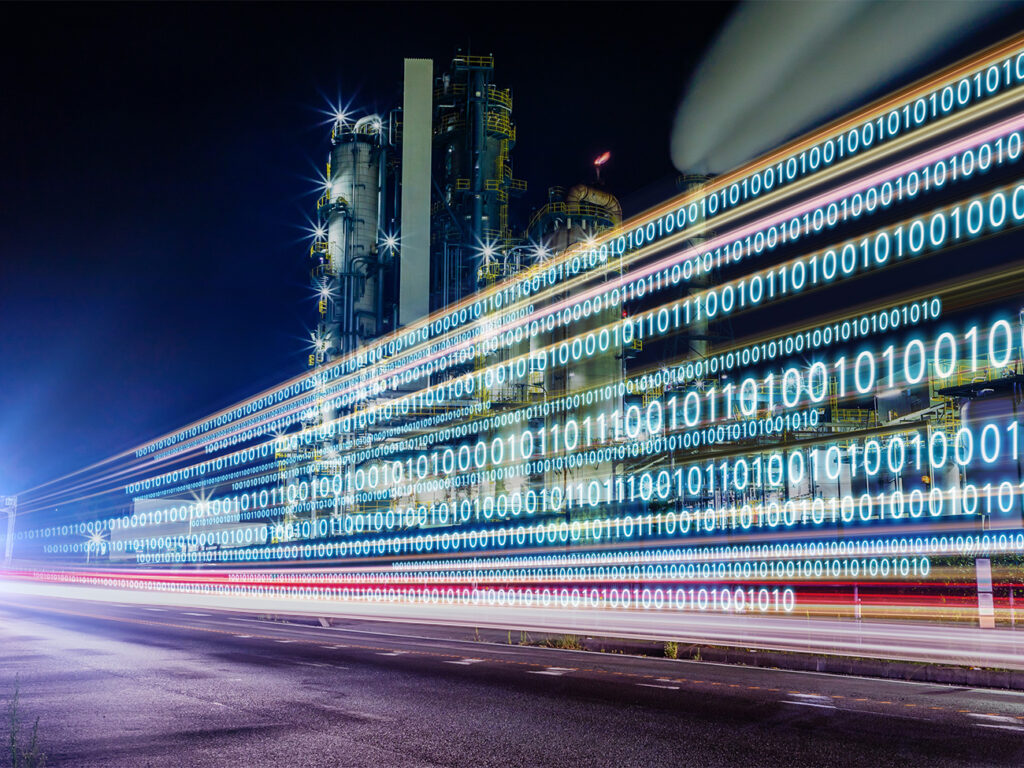
The way process instrumentation has been implemented is changing under the pressure of digitization. A new level of ease of use is being achieved across the entire life cycle of field instruments, from product selection to commissioning and even advanced diagnostic capabilities afterwards. Smart sensors are sensors that recognize information and can intelligently network with each other to draw appropriate conclusions. Keywords are safety, availability, flexibility and efficiency. Instrumentation will need to have onboard diagnostic and predictive maintenance capabilities. With this, you will not be able to replace all that knowledge in those bright minds of your employees. But thanks to digitization, young engineers do get up to speed much faster on what needs to be done to keep processes running optimally.
They don't even have to be glued to the screen anymore. With the introduction of digital technology, mobile devices are also increasingly making their way into production halls. Laptops, yes, but tablets and smartphones can also be used to monitor processes. Data can thus quickly get to the right stakeholders to speed up making the right decisions and to have an optimal set-up ready in no time for all the tools needed in an automation project. Point-to-point communication is relatively secure, but rather slow. With the introduction of more and more wireless technology, strides can be made in a fast, decentralized approach and accessibility for services that can add value to existing processes. Open communication standards are a crucial building block in that future. Consider Namur, for example.
Digital tools also prevent making mistakes. Are certain materials and media incompatible? Does the right transmitter belong to the right control? The extensive diagnostic capabilities of modern instruments make short work of this. This will be necessary. Because with the increasing demands to improve a plant's production processes and implement investment projects as quickly and efficiently as possible, instrumentation must also be right the first time. No more time or money should be wasted on errors, orders, configurations or installations. And that may run well within the plant walls, but what about multiple sites? How then can all processes be monitored and evaluated in real time