Platform for the food and beverage industry
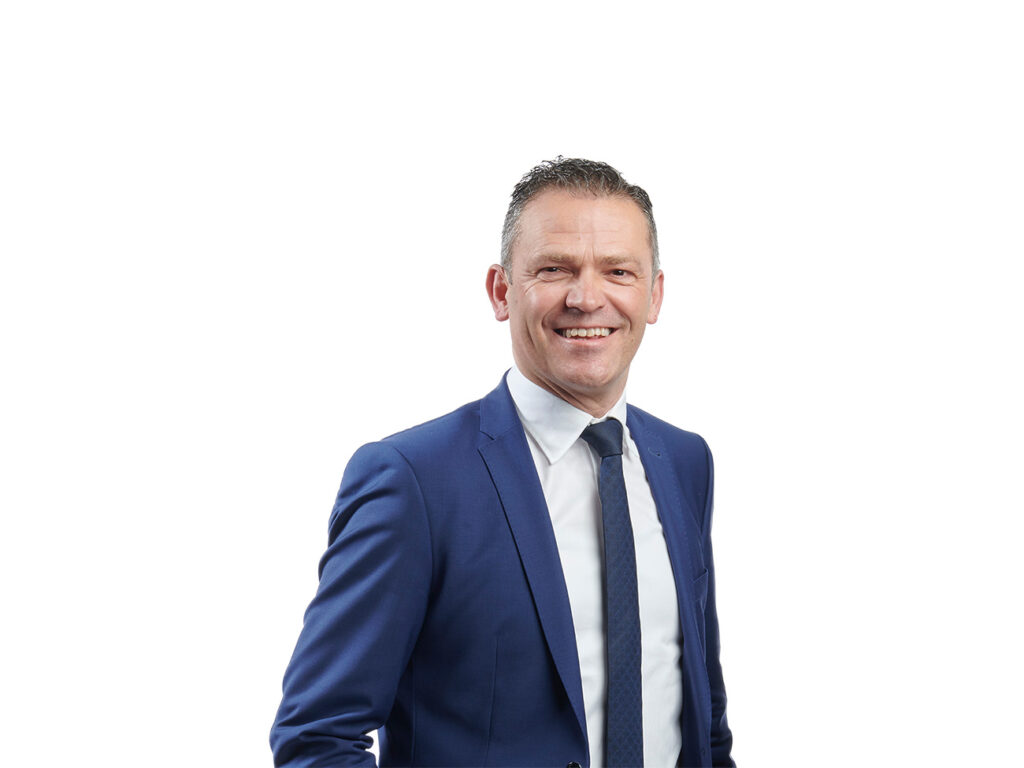
In early May, my predecessor Sonja De Becker symbolically handed me the "Farmers' Union Plough" as the new president of Farmers' Union. A privilege, but also a very big challenge. The past months I have tried to prepare myself for this with also quite a few visits to structures, members and companies.
What has certainly stayed with me is the rich tradition of craftsmanship that our agriculture and horticulture sector harbors. What has stayed with me at least as much is how fit our sector is and how it has all the assets to be the global pioneer that it is. Everyone is talking about the agriculture of the future and talking about making it more sustainable. Economically and ecologically, our Flemish agriculture and horticulture is one of the most efficient in the world. A strong and prosperous agriculture, not for nothing called the primary sector, is the foundation for the high standard of living we have in our country and for the development space for other economic sectors.
The importance of having our own food production, now and in the future, is once again becoming clear. Just as energy is a national asset, it is equally strategic for Flanders to have strong, local food production. After all, food is the "energy" for humans. Reaching the level of our agricultural and horticultural farmers, that means smart and hard work. And if we want to maintain the top level of our agriculture, we are going to have to constantly respond to new challenges (carbon storage, producing local energy and proteins, biodiversity ...) and keep looking for solutions.
Our agricultural and horticulturalists have the experience and skills to do this - but to build solutions, to constantly improve, they, like other entrepreneurs, need room for development. That's why, as Farmers' Union, we see it as our task to ensure that agriculture and horticulture remain a prosperous sector that passes the test of the future with flying colors. We cannot do this alone. Many different parties - farmers, agricultural organizations, chain partners, consumers and policy - make the difference. By pursuing a stimulating policy, by sharing risks, by a correct price to farmers, by a dialogue with an open mind ...
Unlike in our surrounding countries, we do not always dare to be so proud of our local products. We should cherish our farmers more and be more "local" by appreciating and consuming products from here. This is good for the farmer, good for the climate and good for the consumer. When you know that the average age of our farmers today is 56, it is clear that a formidable wave of aging awaits us. I would therefore like to make a clear appeal to all our policymakers not to deprive our young farmers of the desire to farm, but to give them a legally secure future.
If this perspective is absent, the Flemish farmer is threatened with extinction. In that case, two - not very attractive - options are hanging over us, namely food dependency (more imports) or agriculture in the hands of only a few very large companies (disappearance of the family fabric that now typifies our Flemish agriculture). I believe from the bottom of my heart that we must value our own food supply, and thus our producers. We have to trust the expertise of our farmers and the rich agro-diversity of our agriculture.
From large and small, conventional and organic, biodiversity and agrodiversity, market and society... Only in this way can the farmer, as a free and family entrepreneur, find the path that best suits his or her entrepreneurship, possibilities and feelings. It is precisely these individual choices that allow agriculture to finally offer what the market and society expect.