
Platform for the food and beverage industry
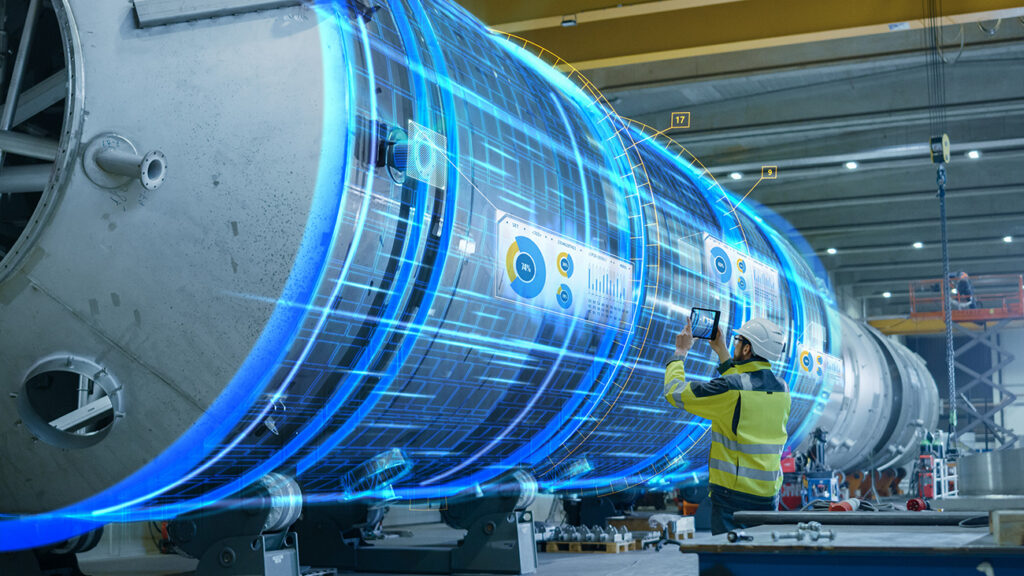
Industry 4.0 has revolutionized how we manufacture and automate. The world of connected sensors and real-time data from manufacturing allows companies to dramatically increase efficiency, flexibility and safety. But creating a smart, data-driven factory is not without its challenges, however. The greater the dependence on digital technology, the greater the vulnerability of networks. Data flows become more complex, more difficult to control, and this can lead to delays and even downtime. Moreover, any Industrie 4.0 solution you choose must also be able to withstand the sometimes harsh conditions that prevail on the shop floor. But how then can you implement Industrie 4.0 technologies in a sustainable, safe and, above all, successful way?
Connectivity is the most important hurdle on the road to an efficiently running smart factory. Everything from order entry to remote monitoring and maintenance requires a digital connection to a hub or control environment. This connectivity is simultaneously crucial to ensure functions such as system control, alarms, updates and cyber security. However, introducing all these systems is enormously complex. Operators must send large amounts of data over firewalls to the right destination in a cyber-secure manner. Because as long as computing power remains limited, it is important to identify data flows from critical installations. What is critical? What should be prioritized so that commands and data containing key information do not arrive late and cause disruption?
Companies must therefore think thoroughly about how data flows through production and how all connected machines and plants should be structured and connected to achieve a functioning topology. To network smartly and keep data flows reliable and responsive, connectivity must be controlled. This can only be done by combining hardware (such as Ethernet switches and ports that guarantee secure communication and simple network protocols) with comprehensive network management software. Then add wireless technology to remotely access production data on the shop floor. For precise control of data flows, operators can use managed Ethernet switches to connect different systems and technologies in a secure and easily controlled manner. These switches close the gap between disparate systems and apprates and actively engage in optimizing network traffic to ensure that the right critical data streams are prioritized. In addition, they can act when unknown data traffic wants to pass through the ports.
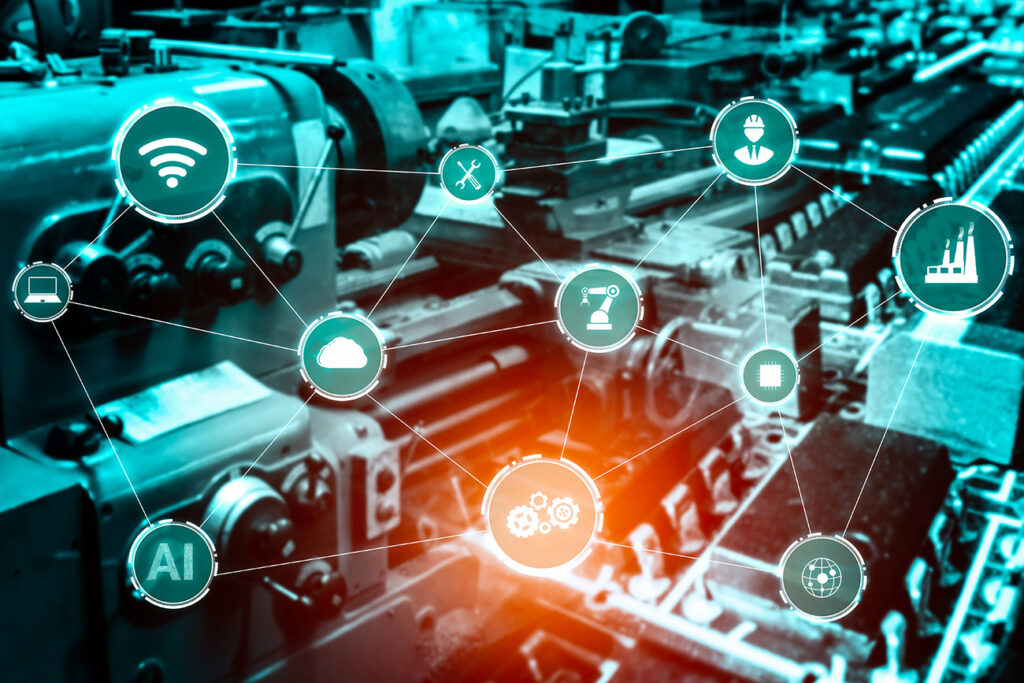
But in an industrial environment, those functionalities are not enough. After all, devices must also be robust and resilient so that they can last for decades with limited maintenance and sometimes under very harsh conditions. Here, it doesn't pay to cut corners. One component that fails can bring an entire production line to a halt or worse, endanger the lives of operators working nearby. In production where every link in the chain is connected, there is a higher risk of electromagnetic interference from various systems and devices. Those in the network constantly transmitting data create an environment of background electromagnetic noise. It may not be visible to operators, but it can weaken signal strength, slow data traffic and lead to delays and downtime. A second concern is the ambient environment. Temperatures in an industrial setting can range from -40°C to 75°C. Both extremes of the spectrum take their toll on the physical readiness of devices and components unless sufficient attention is paid to them.
Despite these significant challenges, solutions are still often chosen off the shelf from different manufacturers and suppliers. Finding the best deals is often the driving force behind this, but the end result often becomes more expensive and more disruptive. For example, when these components are incompatible and do not work well together or are not built to withstand the highest temperatures or electromagnetic fields. Failure is then not a possibility but a certainty. Whoever is in charge of contracts for the purchase of new components must therefore be aware of these issues. Those looking for solutions should go for components that can best cope with harsh industrial conditions. They also better take into account that the more moving parts there are, the greater the chance of failure.
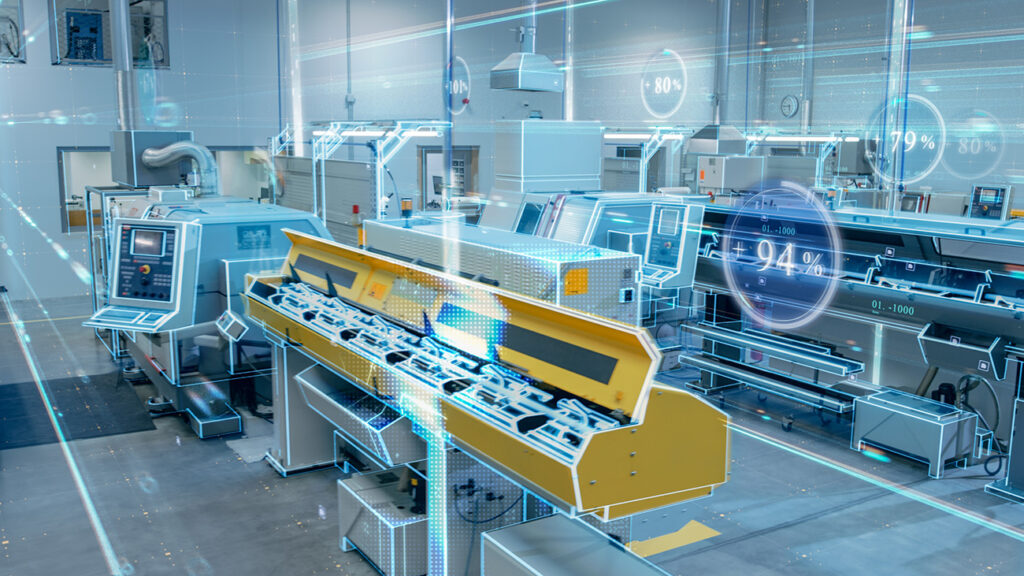
For no matter how much effort operators make to keep their plants from downtime, they cannot foresee everything. The recent experience with covid-19 is the best proof of this. Manufacturers must therefore have a plan and infrastructure in place that allows them to deal flexibly with exceptional circumstances, should they present themselves. Just-in-time production and industrial processes require continuity of service. The costs of downtime add up quickly. Therefore, a network topology must be built to provide maximum redundancy and minimum interference. For example, a mesh topology, where all devices are interconnected in a complex web, can provide this. All devices can then communicate with each other and dynamically adjust their transmission paths if there is a difference in signal strength. This allows for advanced technology that can restore the network if one or more connections break down. Thus, the network can continue to operate regardless of interference or position.
But different production environments present different challenges. In a physical or wired network, mesh networks carry an increased risk of a broadcast storm. This occurs when there is an accumulation of signals and traffic on an industrial computer network.
A broadcast storm that is not addressed will consume so much of the network to the point that no normal traffic can get through. This interference can be avoided by packet forwarding, a feature present in managed switches. They allow operators to safely use multiple devices in a ring or mesh network to flow data along different paths when the default path would not work for some reason. So the result is a network that can self-heal and intelligently adjust its topology to ensure that tasks get done even when engineers are working to fix the problems.
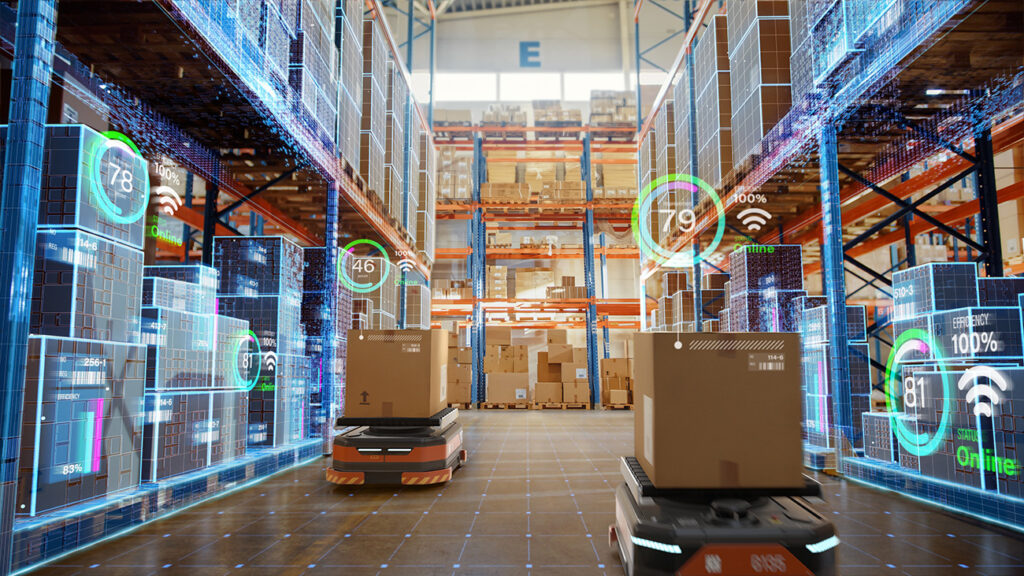
The more IoT devices are added, the more insights can be generated by Industry 4.0 systems. But it also increases the risk of cyber-attacks as more potential points of intrusion are added. Whereas cyber security is well established in IT networks, there is still a lot of work to be done in this area in OT systems on the production floor. Thus, operators need solutions that can shield cyber threats so they cannot threaten critical operations or extract sensitive data. These systems must also be easily integrated into the existing technology architecture. Digital infrastructure in factories is too extensive and expensive to simply replace with newer, more secure systems. An adequate cyber defense must consist of several layers, connecting both the digital IT layer and the physical OT layer. In terms of software, mainstream defense systems such as anti-virus solutions can serve. But there is also a need for automated alerts, intelligence to detect and analyze threats so that safe operations can continue.
In the OT domain, a suitable solution could be to connect a one-way gateway or data diode. This is a hardware threshold that blocks the vulnerable channels of a network and can be disabled on-site by operators if necessary. Such a gateway controls data traffic and data flows while providing the breathing room needed to keep critical processes running. A combined approach to cyber security creates a plant that is able to isolate its assets from cyber threats very efficiently. It is a solution that protects processes and the integrity of production as well as the safety of employees. The industrial network can be securely connected to IIoT without risk of intrusion.