Platform for the food and beverage industry
Managing supply chains has become more complex. Manufacturers in all sectors must reconcile the volatility of today's business environment with increased consumer expectations. As a result, supply chains are under more pressure than ever. A perfect storm for the food industry that saw consumer purchasing behavior change dramatically due to the global pandemic. And also had to deal with more and more counterfeit products. To make supply chains more (future) resilient, food companies will have to put even more effort into traceability. Markem-Imaje is an expert in this area and assists food companies with end-to-end traceability solutions.
Traceability has been an important issue in supply chains for years. Especially in industries where strict regulations apply and transparency is vital, technology for traceability now plays a major role. Many companies are now using track-and-trace functionality to better manage risks in supply chains and improve connections with customers. In initiatives such as farm to fork, traceability is the foundation. It can play a critical role against the backdrop of the disruptions the market is exposed to today.
The shortage of certain raw materials and personnel is a major cause of volatility in the market. Last year, more than 500,000 vacancies were reportedly left open in food & beverage in Europe;
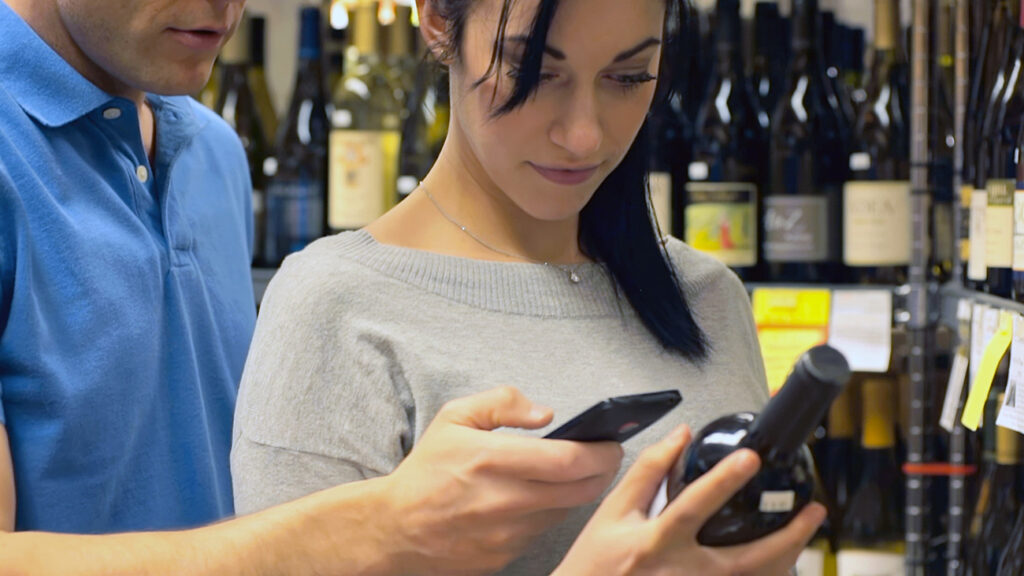
Traceability is the answer to these challenges, providing transparency to identify inefficiencies, better serve customers and optimize logistics throughout the chain. Most organizations don't have to start from scratch. They often already apply traceability through supply chain partners. However, information often gets stuck in siloed systems that don't talk to each other. The result? The information is often inaccessible, inconsistent and difficult to use. Modern traceability solutions help producers identify data, providing end-to-end traceability. Traceability in food & beverage contributes to improved food safety, reliable product information and ensures product authenticity. But the data also leads to enriching insights to improve customer engagement and brand performance.
When a recall arises, traceability is essential. While food companies have systems and processes in place that can quickly locate and recall products, the return of products remains a daunting task. Everything starts with traceability capabilities in one's own organization. This also requires a good understanding of how supply chains are put together. This is the basis for further optimization. It also immediately shows the path to the right technology partner who can take the right initiatives with the most added value. As supply chains become more complex, one will need a coordinated view of all inputs, outputs, participants and processes. The traditional siloed approach will be an increasingly difficult block to overcome. Building a robust traceability program adds value to turn supply chain insights into a competitive advantage.


