Platform for the food and beverage industry
The cheapest energy is the energy you don't use. This is the starting point for DD Engineering when they work with clients to see how they can best utilize the energy present in their process. The company has made process knowledge its trademark to unburden food companies as much as possible and provide pragmatic solutions. Also to get their energy bills down. Because looking at process energy brings by far the most profit.
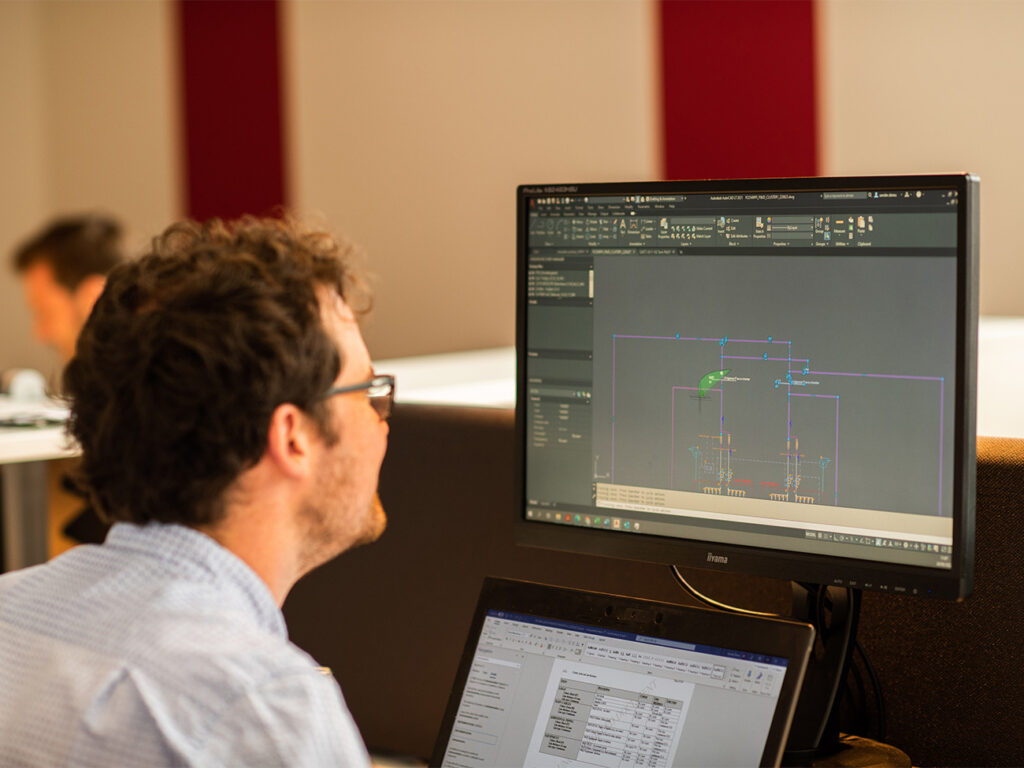
Until recently, energy conservation for DD Engineering was mostly typically contained in the scope of larger investment projects. With today's skyrocketing energy prices, realizing higher energy efficiency is already more easily becoming a goal in itself. In this area too, the accumulated process knowledge is to DD Engineering's advantage, enabling it to realize added value for clients. Managing Director Niels Colson: "Based on our understanding of how cooling and heating processes work, we investigate with the customer where we can recover heat and put it to good use elsewhere. Because we know how such installations work and because we have thermodynamic experts in-house who can make a mass and energy balance or perform a Pinch analysis, we can bring added value to our customers. We map out the energy needs and identify the potential savings. And that for all possible forms of energy. Only by putting everything together do we arrive at the most energy-efficient puzzle."
Fortunately, in order to achieve these energy savings, the entire production line does not necessarily have to be overhauled. Colson: "It actually starts with getting all the details right. Everyone knows by now that variable speed drives are a valuable tool for becoming more energy efficient. But are all your existing installations still optimally tuned? Can the waste heat from one process still be used for other applications? These are the questions that DD Engineering has answered in many projects in the most energy-efficient way in recent years. Always based on process knowledge and experience. Now it is also combining that knowledge for food companies that want to take steps specifically in this area.
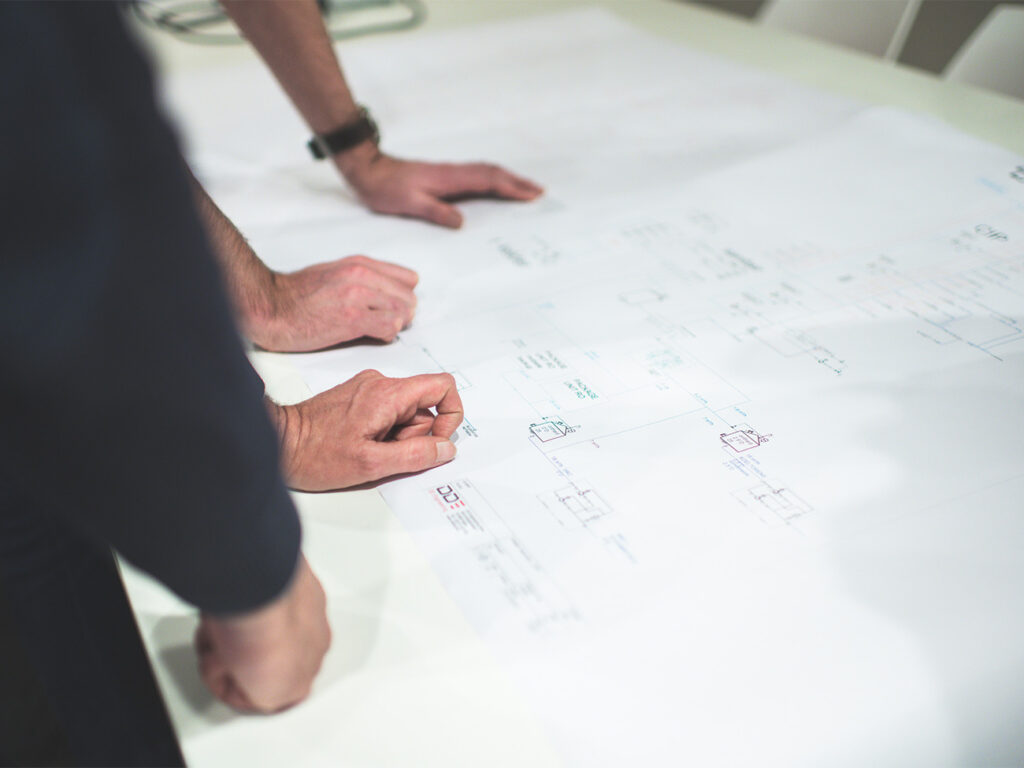
The plan of action that DD Engineering uses for this is the familiar formula: looking pragmatically at what the customer really needs. Colson: "First we capture all the data on all the energy sources and consumers in the process. This directly from the machines or via measurements we perform ourselves. Then we look for patterns and areas for improvement in that data, but always with the ROI in mind. How can we optimize consumption at an acceptable cost? This approach requires close collaboration, because the more data, the better the decisions." Is the client convinced of what the project will deliver? Then DD engineering engages those technology partners who can best put the solution into practice. "Throughout that entire process, we remain on the client's side as an independent architect of production processes."
DD Engineering's hawkish outlook goes beyond energy, by the way. The company also likes to investigate what opportunities there are for food companies to optimize their water consumption. "The government is imposing more and more restrictions in this regard. So this will be something to include in investments in the coming years anyway," Colson points out.
Heat recovery network for Milcobel
Milcobel has been operating a cogeneration plant (CHP) at its Langemark site since 2009. With this, the dairy producer generates sustainable electricity on site. In order to work even more energy efficiently, it was decided to also recover the residual heat from the flue gases of the CHP plant. This allowed the use of steam to be significantly reduced. DD Engineering took care of the construction and implementation of the heat recovery network. With the realization, Milcobel was able to recover no less than 2 MW of heat per year, good for a saving of no less than 26,000 tons of steam per year. This reduced annual gas consumption by 7% and CO2-emissions by 3,600 tons per year.