Platform for the food and beverage industry
For those in the food processing industry, both infection prevention and a well-designed disinfection process are downright crucial. Surprisingly enough, manual disinfection procedures remain omnipresent in many sectors. While there are many disadvantages and even risks associated with manual disinfection procedures and there are interesting alternatives on the market today.
Ranging from the meat sector over the fish or dairy industry to industrial bakeries or the production of prepared meals: as an entrepreneur in the food processing industry, it is always and everywhere a matter of creating a safe environment. Medtradex can fall back on extensive expertise for this, with technologies that can provide both preventive and curative solutions. Central to the disinfection process anno 2021 is a balanced combination of manual procedures and automatic applications. It is this approach that guarantees that all surfaces are included, including those that are difficult or impossible to reach manually. Medtradex first looks together with the customer at which technology is most relevant and then also offers proper training, tailored to the end user. This includes ample attention to the necessary support for the implementation of the technology and all associated procedures.
Today, manual disinfection remains widespread in most sectors. Unfortunately, whether it concerns meat, fish, bread or vegetables, the risk of (post)contamination or cross-contamination with, for example, listeria, salmonella, enteriobacteriaceae or E. coli can never be completely excluded. After all, people are particularly good carriers and spreaders of all kinds of pathogenic germs. Moreover, people also make mistakes and have to deal with a number of limitations: not all environmental surfaces are treated with the same precision, cleaning product residue remains after manual rinsing, and certain critical surfaces prove difficult to reach. In practice, it is also usually impossible to check after each disinfection whether the entire room was effectively disinfected sufficiently. And inevitably, each manual disinfection will also be performed differently - and thus more thoroughly or just less thoroughly. Thus, manual disinfection is never fully measurable or reproducible.
In addition, a number of new trends are contributing to a higher risk of infection. For example, increasing urbanization and overpopulation increase the risk of spreading infections. A second not insignificant factor is our changed eating habits. Today, we often prefer minimally processed foods whose aroma and taste have not been distorted by pickling, smoking or drying. However, these techniques were previously used to extend the shelf life of foods and reduce the risk of disease-causing organisms or spoilage. Last but not least, there is also the booming market for ready-to-eat meals and pre-cut fruits and vegetables. Because these undergo only "gentle" preservation techniques, they are also more susceptible to "mistreatment.
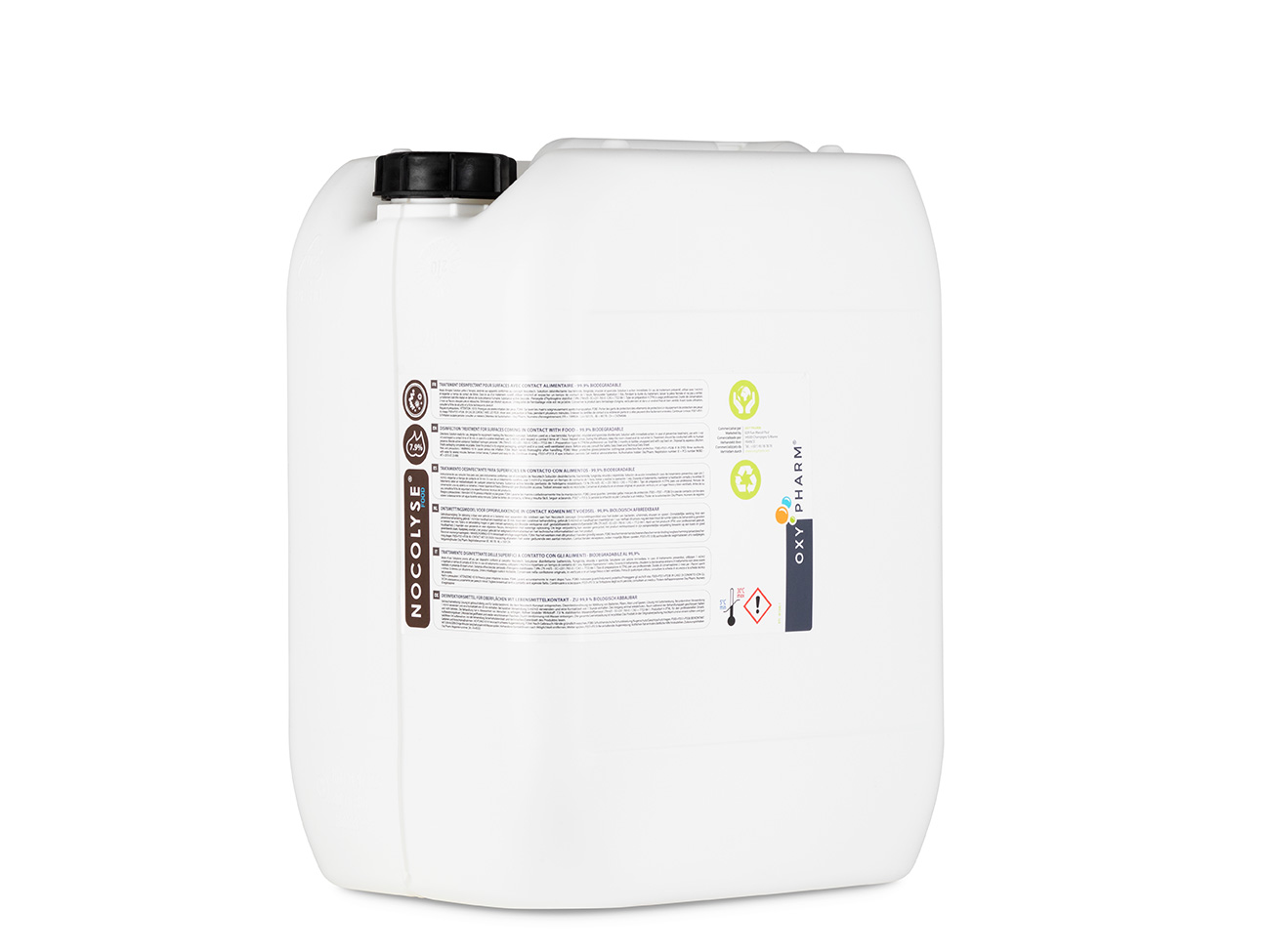
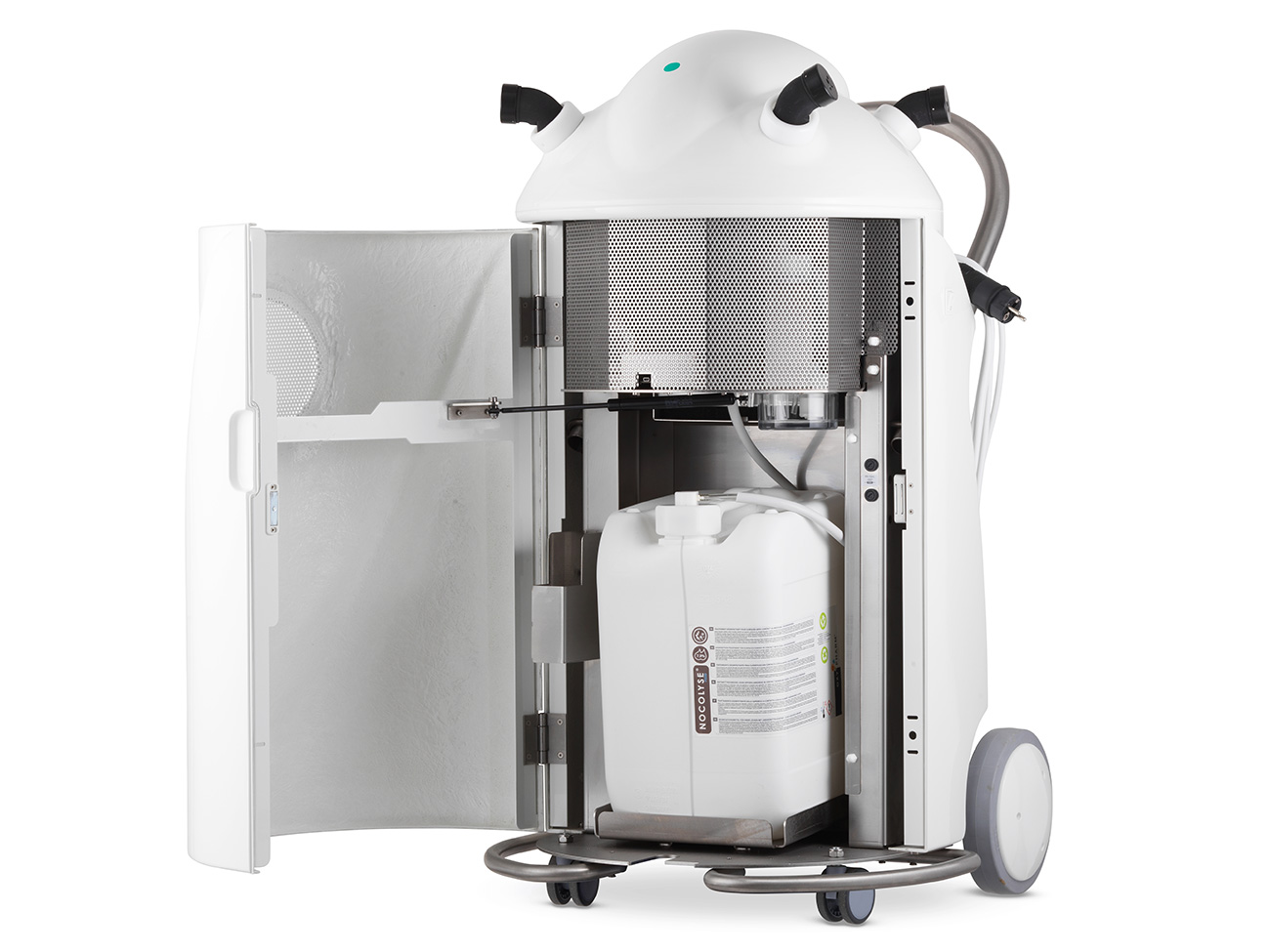
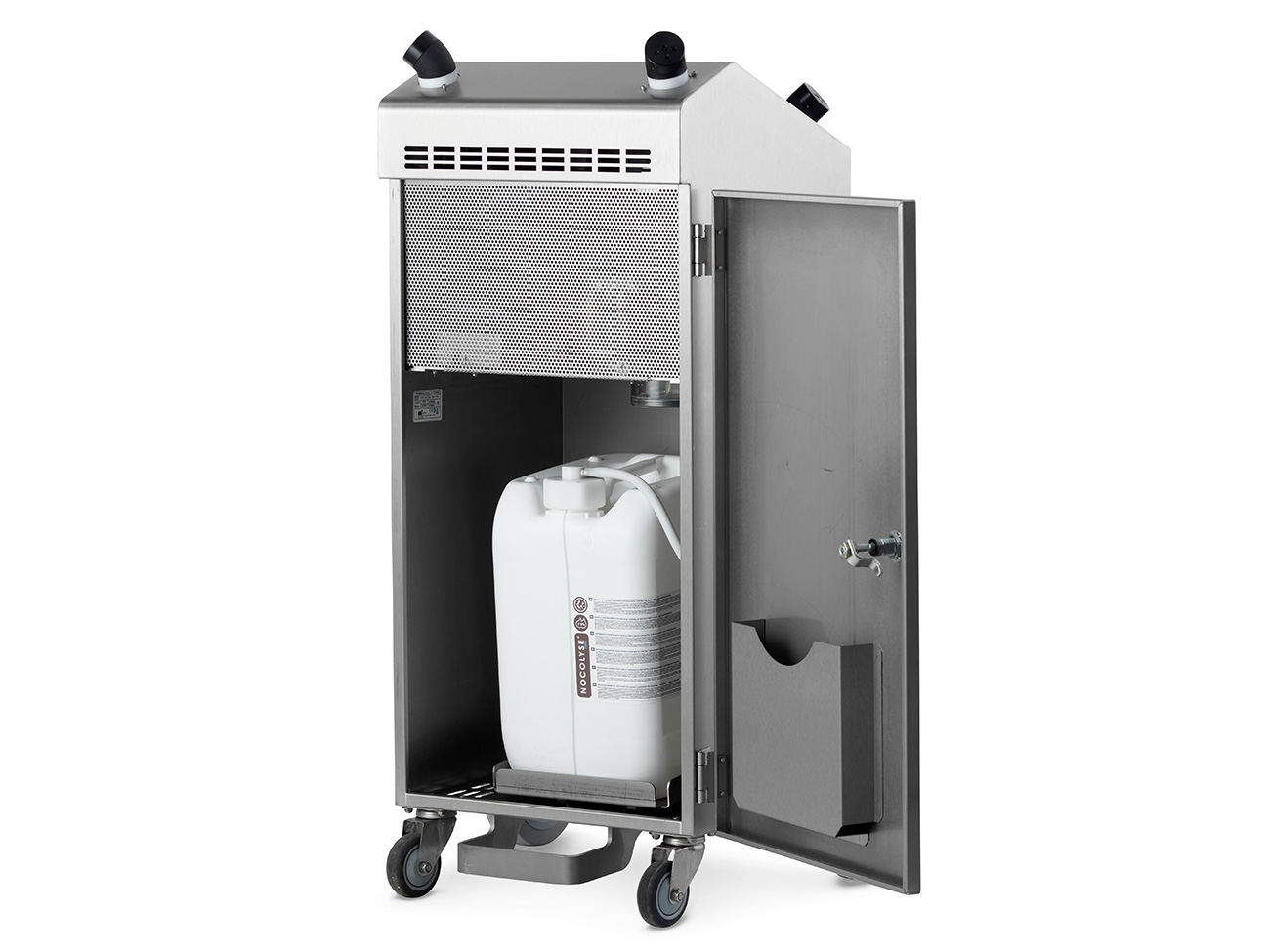
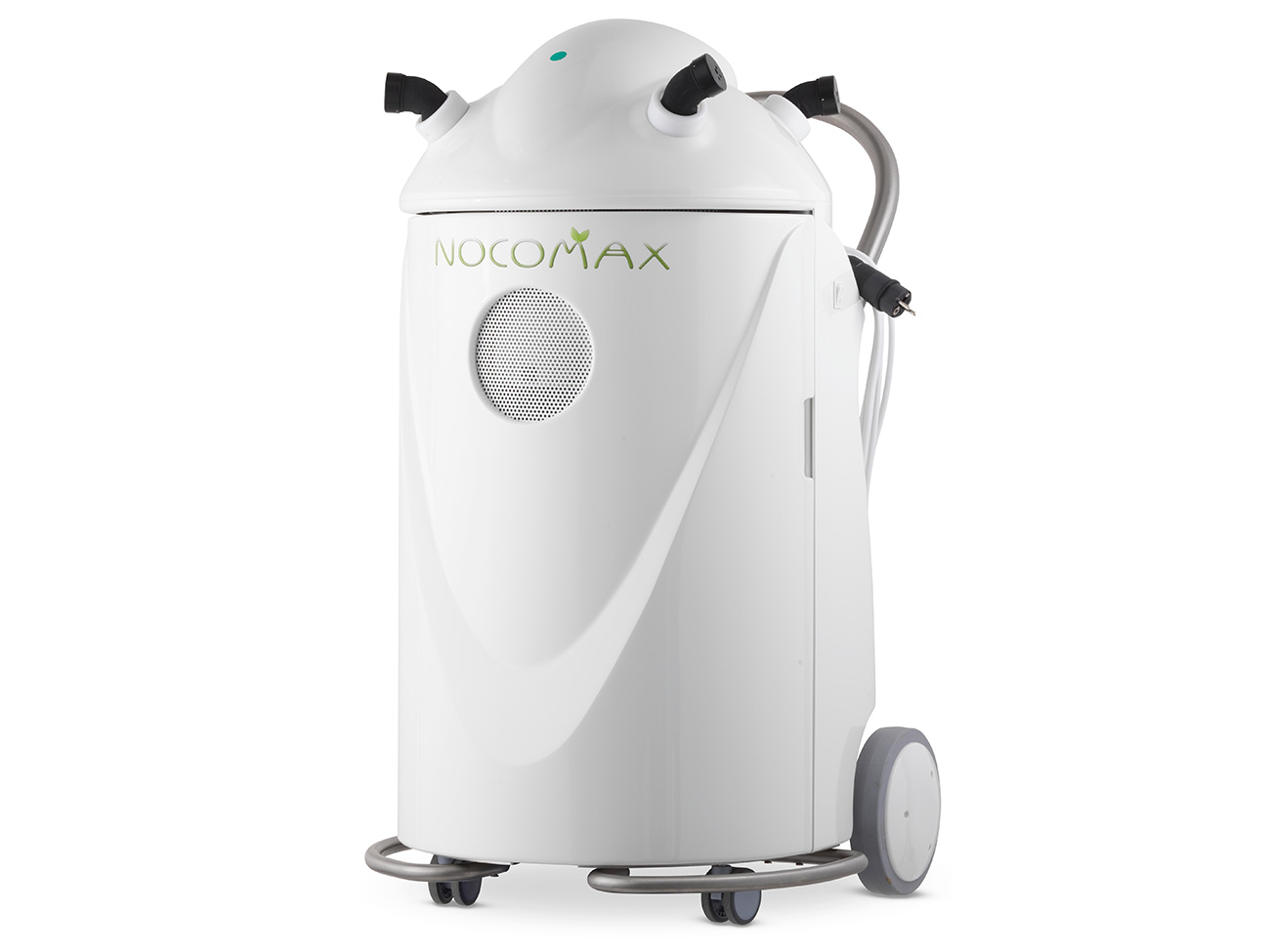
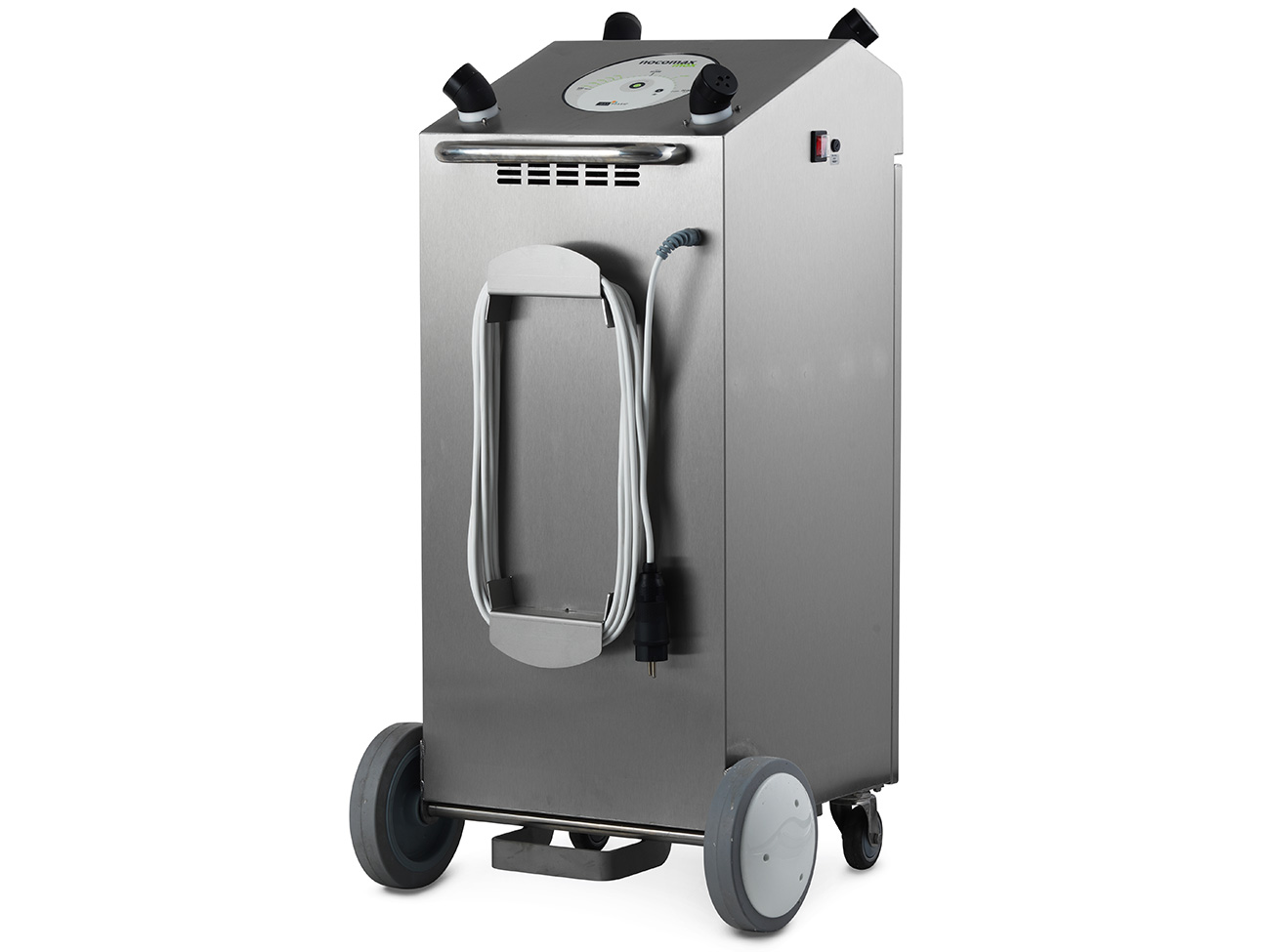
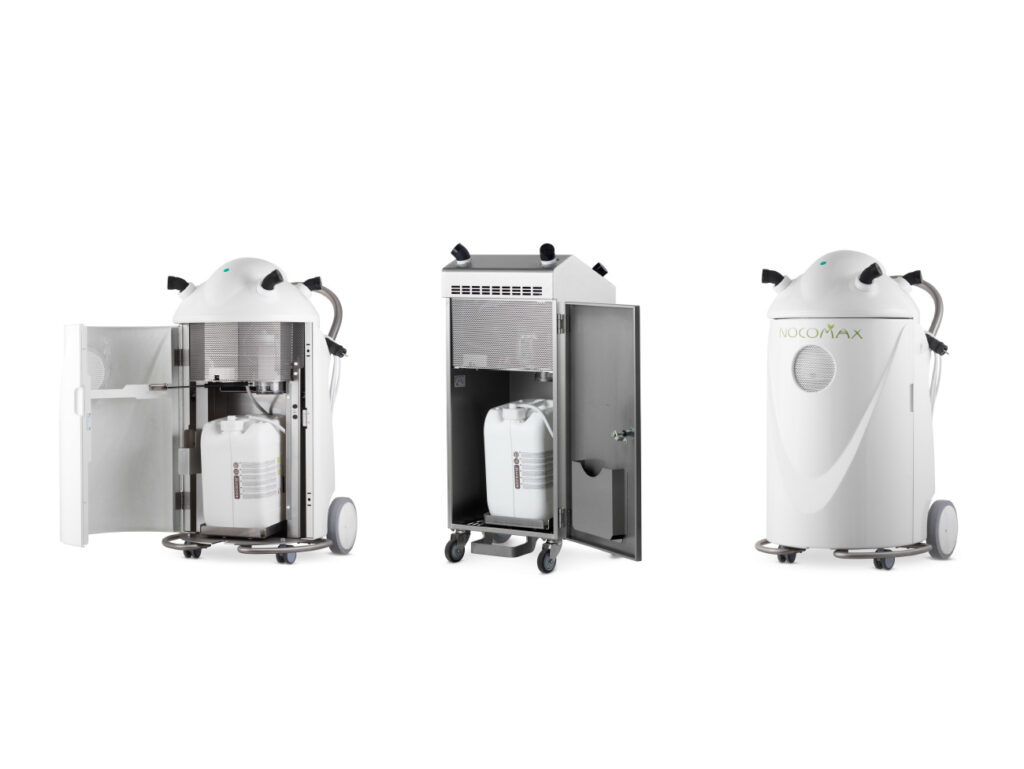
To reduce infection pressure and optimize the disinfection process, Medtradex developed an innovative concept: Nocotech. This technology is based on the atomization in the room - via a atomizer such as Nocospray 2®, Nocomax Easy® or Nocomax Fix - of a biodegradable disinfectant based on H2O2 (Nocolysis). During atomization, the disinfectant is ionized, causing the particles to become positively charged. The applied product forms a dry mist where these "positively charged particles" are attracted by the "negatively charged" surfaces. This concept guarantees perfect automatic disinfection of all surfaces in the room. This technology has proven effectiveness against all kinds of bacteria, viruses, fungi and spores. Moreover, the process is also environmentally friendly: in fact, the product is broken down into water and oxygen, making it 100% biodegradable. It also contains no allergens or other hazards to humans.