[00:01] Welcome to the Foodtec Podcast
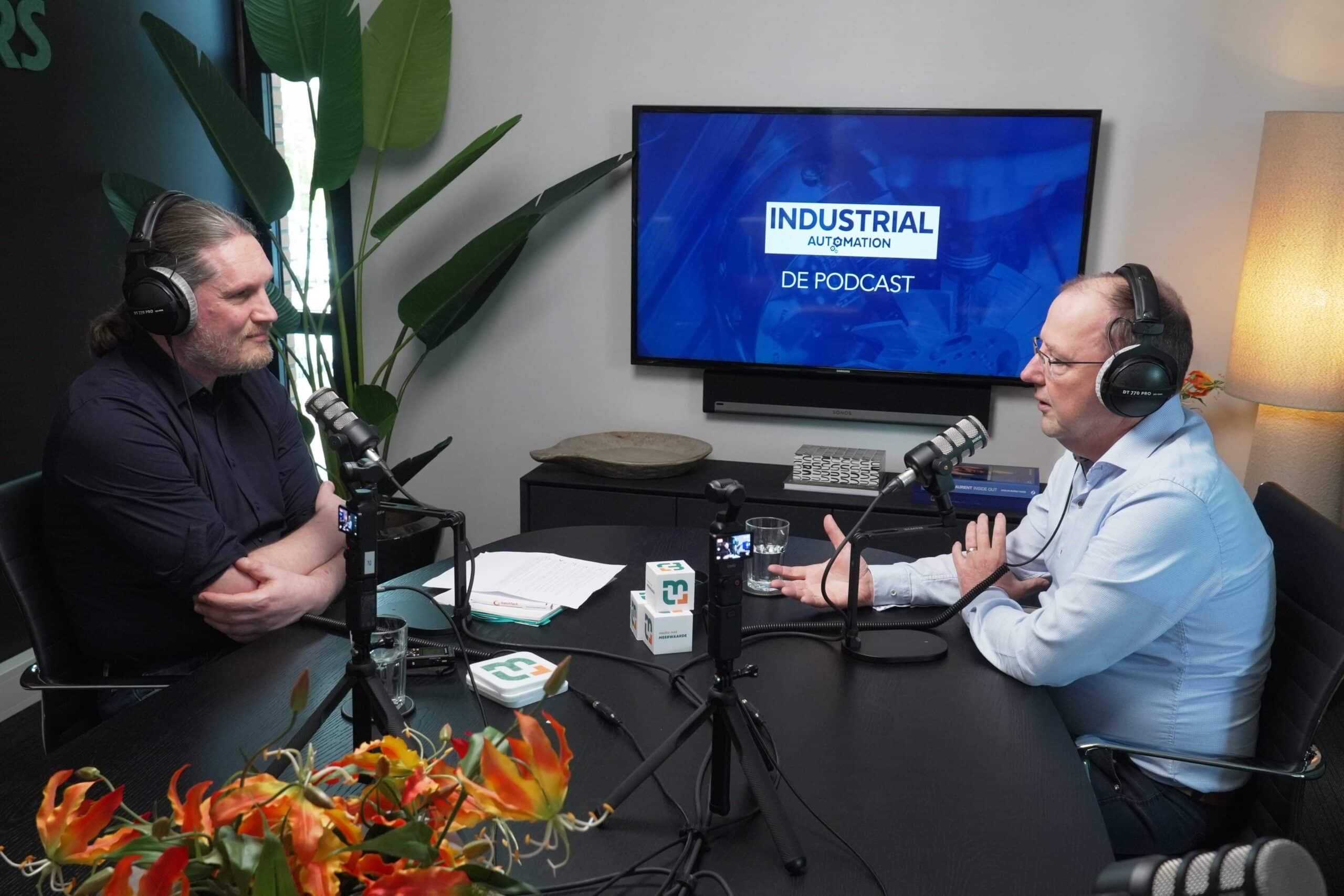
Jerry Helmers: Welcome to the Foodtec Podcast, the podcast for professionals who want to understand where food production, technology, packaging, and data are headed. My name is Jerry Helmers, and I’m today’s host for this podcast.
Today we’re looking at something that’s very small on the outside but could have a huge impact: the code on a product package. For decades, barcodes have quietly done their job. They help products move through factories, warehouses, retail systems, and checkout lanes.
But now that familiar code is evolving. It is becoming smarter, more sophisticated, and more connected. With GS1 Digital Link, a simple 2D code can serve as a gateway to traceability, compliance, product information, consumer engagement, and operational efficiency. In other words, the package is no longer just a package; it can become a digital platform.
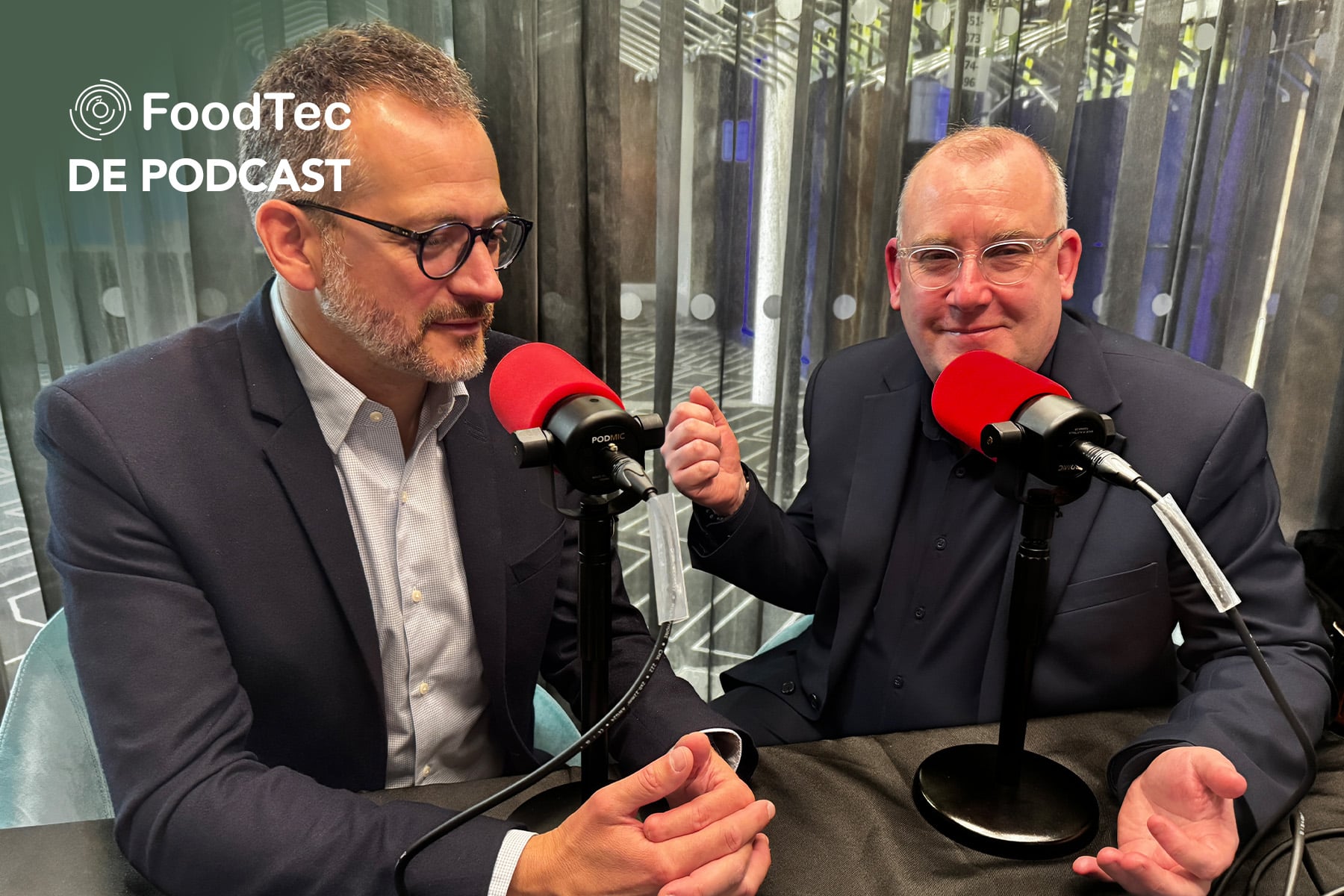
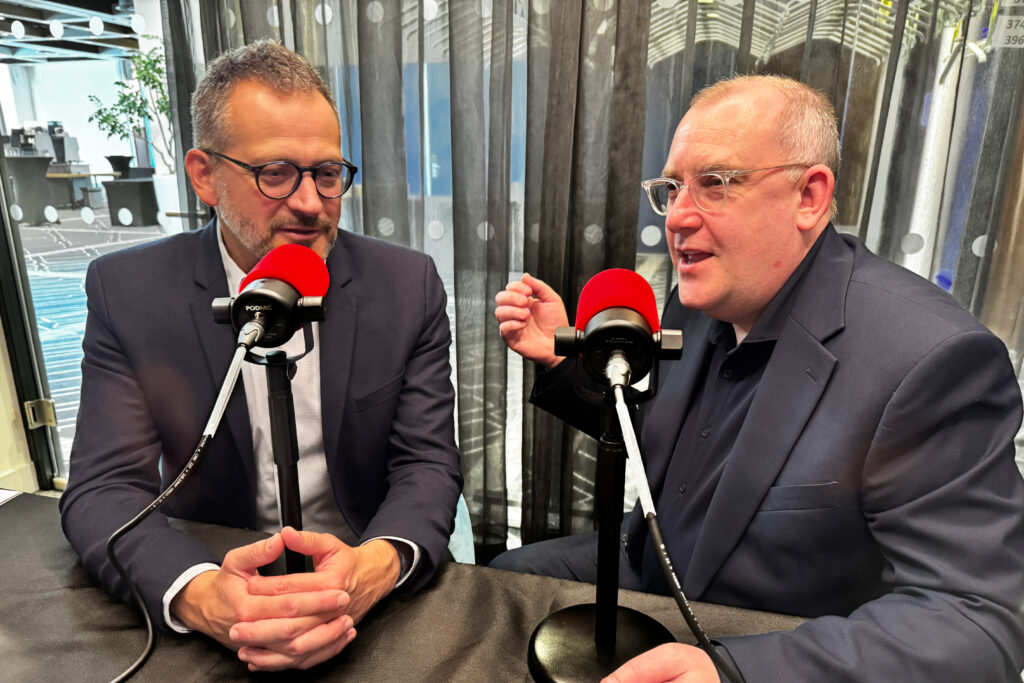
To explore what this all means in practice for food and beverage production, I’m joined by two experts from Markem-Imaje: Rémy Fontanet and Steven Tagg. We will discuss connected packaging, automation, data, production lines, quality control, and the practical steps companies can take today. Gentlemen, welcome to the Foodtec Podcast.
Steven Tagg: Thank you very much.
Jerry Helmers: A warm welcome. We’re recording this podcast in Amsterdam. I’m really glad you made the trip here. Steven, you live in the Netherlands, but Rémy, you came all the way from Valence in southern France.
Rémy Fontanet: Correct.
Jerry Helmers: Rémy, do you like Amsterdam?
Rémy Fontanet: So far, so good. Looking forward to the weekend.
Jerry Helmers: Does that mean regardless of what happens during this podcast?
[01:59] What can listeners expect?
Jerry Helmers: Before we introduce you in more detail, I’d like to ask two simple questions. What promise can we make to the listener? Who would like to answer first?
Rémy Fontanet: I’ll start. This podcast is definitely intended for everyone working in a manufacturing plant. Manufacturers will gain a lot of insights from this conversation, but brand owners will also learn what the next generation of packaging looks like. I would also say that anyone interested in traceability and retail will learn a lot about upcoming developments in product identification, traceability, and the digitization of packaging.
Jerry Helmers: So you’re thinking of quality managers, brand managers, marketing managers…
Rémy Fontanet: Exactly. This 2D barcode transformation—or, as we call it, the 2D journey—affects many different functions within a company: quality managers, marketing, packaging engineers, engineering teams, and many others. A lot of people should listen to this podcast.
Jerry Helmers: Steven, do you have anything to add, or did Rémy already give the perfect answer?
Steven Tagg: I’d like to add a few thoughts from a software and technology perspective. People who are interested in the changes taking place in manufacturing and who want to improve their operations through digital transformation will also benefit. There is a lot of new technology available, and we can share what we’ve learned from implementing it.
Jerry Helmers: We've set aside about forty minutes. Will that be enough?
Steven Tagg: We'll find out.
Jerry Helmers: We'll find out.
[03:49] The opening statements
Jerry Helmers: I always like to start my podcasts with a few statements. You may only respond with “agree” or “disagree.” What’s interesting is that you both work for the same company. If you disagree with each other, this conversation immediately becomes more interesting.
Steven Tagg: We'll do our best.
Jerry Helmers: First statement, Steven. For most food producers, the traditional barcode still works perfectly well. Do you agree or disagree?
Steven Tagg: I agree that it works for today's situation. It still gets the job done. But if you ask whether it offers everything companies will need in the future, then my answer is no.
Jerry Helmers: So that’s actually both agreeing and disagreeing.
Steven Tagg: We’ve been using it for fifty years. There are now so many opportunities with new coding technologies that companies should really take advantage of them.
Jerry Helmers: Rémy?
Rémy Fontanet: I disagree.
Jerry Helmers: Good. We'll definitely come back to that later.
Jerry Helmers: Second statement: Consumers don't really care whether a product has a traditional barcode or a 2D code.
Rémy Fontanet: I tend to agree, but I also disagree.
Jerry Helmers: Steven?
Steven Tagg: I agree.
Jerry Helmers: Third statement: GS1 Digital Link is just another printing project.
Rémy Fontanet: I disagree.
Jerry Helmers: I expected that answer.
Jerry Helmers: Next statement: Digital transformation in packaging is primarily an IT project.
Steven Tagg: I disagree.
Rémy Fontanet: I disagree as well.
Jerry Helmers: Final statement: In the end, GS1 Digital Link isn't about the code; it's about trust. On the count of three. One, two, three.
Rémy Fontanet: I agree.
Steven Tagg: I disagree. For me, it's more about the data.
Jerry Helmers: Excellent. I think we’ve already found a few interesting discussions.
[06:27] Who is Rémy Fontanet?
Jerry Helmers: Rémy, tell us a little about yourself. Who are you, and what do you do at Markem-Imaje?
Rémy Fontanet: My name is Rémy Fontanet. I'm French, and I work as a Solutions Business Development Manager at Markem-Imaje. My role is to help customers transition to 2D barcodes. My work combines marketing, technical expertise, sales support, and training for our sales organization. Everything revolves around connected products and 2D barcodes. That’s really my area of expertise.
Jerry Helmers: What attracted you to this role? What is your background?
Rémy Fontanet: I’m an engineer, and I later earned a postgraduate degree in business. I actually began my career in the energy sector, working on nuclear power plant projects.
Jerry Helmers: That's something completely different.
Rémy Fontanet: It certainly is. Eight years ago, I joined Markem-Imaje. Today I can honestly say it’s a job I’m passionate about because what we’re working on affects everyday life. My wife probably has to put up with it the most, because whenever we go shopping, I spend all my time looking at product packaging.
Jerry Helmers: Instead of looking at what she's buying?
Rémy Fontanet: Exactly. Although I mainly focus on food products.
[07:57] Who is Steven Tagg?
Jerry Helmers: Steven, tell us a little about yourself.
Steven Tagg: By way of background, I’m a control systems engineer. I worked for Rockwell Automation, where I oversaw the construction of large manufacturing facilities, including automotive plants and Coca-Cola factories. Later, I moved into software solution sales and worked for companies such as Rockwell Automation, Siemens, Wonderware and AVEVA. I’ve lived in five countries, visited about sixty, and spent the last twenty-five years working in international software sales.
Eventually, I was headhunted by Markem-Imaje while I was living in Dubai. I wanted to return to Europe and also go back to manufacturing, because that’s really where my passion lies. I’ve now been with the company for about nine years.
Jerry Helmers: What makes manufacturing so fascinating to you?
Steven Tagg: I love manufacturing, software, and especially meeting customers. Visiting factories, talking to people, and helping them improve their operations is the part of my job I enjoy the most. Whether I’m in Angola, Pakistan, or India, people are fundamentally the same everywhere. It’s fascinating to see how they work and how their factories operate.
Jerry Helmers: When you visit a factory, are you constantly looking for ways to improve?
Steven Tagg: Absolutely. Although I work in solution sales, I always approach customers from an operational perspective. I’m not interested in selling software just for the sake of selling software. Customers don’t want technology; they want business improvements. They want solutions.
[09:27] A Different Perspective on Packaging
Jerry Helmers: Let’s get practical. When a food producer looks at a package today, they see a barcode, a date code, a batch number, or maybe a QR code. What do you see when you look at that exact same package?
Rémy Fontanet: The first things I notice are usually the batch number and the expiration date or best-before date, because that’s exactly the information our solutions provide. But these days, I also look at the bigger picture. Does the package already include a QR code? Is there any consumer engagement? Are there promotional campaigns tied to the packaging? I automatically start thinking about how the brand wants to connect with its consumers.
Jerry Helmers: So you’re already thinking about what might be possible.
Rémy Fontanet: Exactly. Especially now that we’re in the midst of this transition to 2D barcodes. It’s no longer just about the production line. Packaging design, branding, and production are all becoming interconnected.
Jerry Helmers: Steven, what do you see?
Steven Tagg: I see the finished product as the culmination of everything a manufacturer has invested: the people, the production process, the marketing, and the money. Then I immediately start thinking backwards. How was this product made? How did the data reach the production line? How was quality controlled? Did the product receive the correct code? From experience, I know that coding errors, missing codes, and incorrect labels still occur far too often. So my first thought is always: how can we help manufacturers get more products onto the shelf with fewer mistakes and less waste?
[10:53] Why is everyone talking about 2D codes?
Jerry Helmers: Let’s start with the basics. Everyone seems to be talking about 2D codes. Why now? What’s changing?
Rémy Fontanet: The biggest change is that the traditional barcode only identifies the product. It contains a product number, but that’s about it. A 2D code can contain much more information. It can include the GTIN, a serial number, batch number, expiration date, and many other data elements. Even more importantly, by using GS1 Digital Link, the code becomes linked to online information. It serves as a bridge between the physical product and the digital world.
Jerry Helmers: So we’re no longer just talking about identification.
Rémy Fontanet: Exactly. We’re talking about connectivity. Consumers, retailers, manufacturers, and regulators can all access different information through the same code.
Jerry Helmers: Steven, from a software perspective, is this a revolution?
Steven Tagg: I believe it is. The technology itself isn’t revolutionary because QR codes have been around for a long time. The revolution is that we now have an agreed-upon global standard. That’s extremely important. Everyone speaks the same language. Once manufacturers implement that standard correctly, they create a digital thread that runs throughout the entire supply chain.
[12:16] What is GS1 Digital Link?
Jerry Helmers: Let's explain GS1 Digital Link In simple terms. Imagine I'm running a medium-sized food company. What exactly is it?
Rémy Fontanet: Imagine you have a product with a single QR code. When a consumer scans it, they may receive nutritional information, recipes, or sustainability information. When a retailer scans that exact same code, they receive logistics information. When an inspector scans it, they receive compliance information. The code remains exactly the same, but the information displayed depends on who scans it and for what purpose.
Jerry Helmers: So the intelligence isn't contained within the code itself.
Rémy Fontanet: Correct. The code refers to information that is managed digitally. That’s why it’s called Digital Link.
Jerry Helmers: That’s quite different from today’s barcode.
Rémy Fontanet: Completely different.
[13:24] Beyond Just Printing a Code
Jerry Helmers: Many people probably think this is simply a matter of printing a different type of code.
Steven Tagg: That’s one of the biggest misconceptions. Printing the code is actually the easy part. The real challenge is ensuring that the right data reaches the printer at exactly the right moment. That requires integration with business systems such as ERP, MES and quality systems. If the data isn't correct, the code isn't correct.
Jerry Helmers: So this becomes a manufacturing project rather than a printing project.
Steven Tagg: Exactly. That’s why we always say it isn’t an IT project either. Production, quality, operations, packaging, marketing, and IT all need to work together.
[14:33] Why Manufacturers Should Prepare Now
Jerry Helmers: Some manufacturers may think this still sounds like something for the future. Why should they start today?
Rémy Fontanet: Because transformations like these always take time. No one changes all their production lines overnight. Companies first need to understand their data, their processes, and their infrastructure. Then they can start with pilot projects before scaling up.
Jerry Helmers: There's no need to panic.
Rémy Fontanet: Absolutely not. But waiting until the very last moment isn't a good strategy either.
Steven Tagg: I’d add that companies shouldn’t view this purely as a compliance issue. Yes, there are regulatory drivers, but there are also business opportunities. Improved traceability, fewer recalls, greater production visibility, and stronger consumer engagement all create value.
[15:39] What happens on the production line?
Jerry Helmers: Let's stay on the production line. What actually changes there?
Steven Tagg: The biggest change is in data management. Today, many production lines still rely on manual operator input. Someone might type in the wrong batch number or select the wrong product. Human errors happen every day. With connected systems, that information is automatically retrieved from the business systems. Operators no longer need to enter data manually.
Jerry Helmers: Which immediately reduces errors.
Steven Tagg: Exactly. Incorrect codes, incorrect expiration dates, and incorrect batch numbers are much less likely to occur.
Rémy Fontanet: And once every product has a unique identity, you also greatly improve traceability.
[16:45] Traceability in Practice
Jerry Helmers: Everyone talks about traceability. What does that actually mean in practice?
Rémy Fontanet: Imagine a quality issue affecting a single production batch. Today, many manufacturers still have to recall much larger quantities because they don’t know exactly where each individual product ended up. With better identification and serialization, recalls can be much more targeted. This saves money and protects consumers.
Jerry Helmers: So fewer products end up being destroyed unnecessarily.
Rémy Fontanet: Exactly. Better traceability means smarter recalls.
[17:39] Consumer engagement
Jerry Helmers: Consumers can also scan these codes. What will they actually see?
Rémy Fontanet: That depends entirely on the brand owner. Some companies may provide recipes, allergen information, or nutritional information. Others may offer promotional campaigns, sustainability information, or loyalty programs. The key point is that manufacturers are no longer limited by the amount of space available on the packaging.
Jerry Helmers: Because the package suddenly becomes digital.
Rémy Fontanet: Exactly.
[18:22] Data quality is essential
Jerry Helmers: Does this also mean that companies need to get much better at managing their data?
Steven Tagg: Without a doubt. Poor data quality becomes immediately apparent. If incorrect information is entered into the system, it eventually ends up on the product. That’s why data governance is becoming increasingly important. Companies need reliable master data and clear processes to ensure that information remains accurate.
Jerry Helmers: So digital transformation actually begins long before the production line.
Steven Tagg: Absolutely. It starts with the data.
[19:11] Is the technology already available?
Jerry Helmers: Some listeners may wonder whether all this technology already exists today or whether we’re talking about future developments.
Steven Tagg: The technology is already here. The printers exist. The software exists. The standards exist. What’s happening now is that companies are gradually connecting all those building blocks together.
Rémy Fontanet: That’s why we say this is a journey. It’s not one big project with a single finish line. It’s a gradual transformation that allows companies to move forward step by step while continuing their normal production.
[20:08] Preparing for the transition
Jerry Helmers: If I’m a food manufacturer listening to this today, what should I do first? Where do I actually start?
Steven Tagg: The first step is to understand your current situation. What systems do you already have? Where does your product data come from? How is that information transferred to the production line? Once you understand your existing processes, you can identify the gaps and determine what needs to change.
Jerry Helmers: So don't rush out and buy new technology right away.
Steven Tagg: Exactly. Technology should solve a business problem. It shouldn’t become the goal in and of itself.
Rémy Fontanet: I completely agree. Companies should also involve all stakeholders from the start. This isn’t just a production project. Marketing, IT, quality, packaging, and operations all have a role to play.
[21:11] The Role of Regulation
Jerry Helmers: Regulation is often seen as the main driver behind these developments. Is that fair?
Rémy Fontanet: Regulation certainly plays an important role. There are initiatives related to traceability, sustainability, and product transparency that encourage companies to prepare. But I don’t think companies should view this purely as a matter of compliance. There are many business benefits beyond simply meeting regulatory requirements.
Jerry Helmers: Such as?
Rémy Fontanet: Better consumer engagement, improved supply chain visibility, more efficient recalls, and stronger brand protection—just to name a few.
[22:03] The Digital Product Passport
Jerry Helmers: We also hear a lot about the Digital Product Passport. Is that closely related to everything we’re discussing today?
Rémy Fontanet: Very much so. The Digital Product Passport, often referred to as DPP, is another example of how products are becoming digitally connected. Depending on the product category, companies will increasingly need to provide information about origin, composition, sustainability, and lifecycle. The technologies we’re discussing today make that possible.
Jerry Helmers: So companies that are investing now are actually preparing for several future developments at once.
Rémy Fontanet: Exactly.
[22:57] Managing Production Data
Jerry Helmers: Steven, from your perspective, what is still the biggest challenge inside factories?
Steven Tagg: Data consistency. Many companies still have information stored in different systems that do not communicate properly with one another. The ERP system contains one version, production another, and quality perhaps a third. If those systems are not synchronized, errors are inevitable.
Jerry Helmers: So integration becomes critical.
Steven Tagg: Absolutely. Integration is probably one of the biggest factors for success.
[23:47] Reducing Waste
Jerry Helmers: Does all of this also contribute to sustainability?
Steven Tagg: Definitely. Every incorrectly coded product creates waste. Sometimes products have to be destroyed simply because of a coding error, even though the food itself is perfectly safe. Better data and better coding significantly reduce that waste.
Rémy Fontanet: And don’t forget about recalls. If you can identify exactly which products are affected, you’ll avoid destroying perfectly good products that aren’t part of the affected batch.
[24:38] What about SMEs?
Jerry Helmers: Large multinational companies often have extensive IT departments. What about smaller manufacturers?
Rémy Fontanet: They can certainly make this transition as well. In some cases, it’s even easier because they have fewer legacy systems. What matters is not the size of the company, but having a clear roadmap.
Jerry Helmers: So this isn't just for global brands.
Rémy Fontanet: Not at all. Every manufacturer will eventually be affected.
[25:25] The Importance of Standards
Jerry Helmers: We keep mentioning GS1. Why are standards so important?
Rémy Fontanet: Standards enable every participant in the supply chain to understand the same information. Manufacturers, retailers, logistics providers, and regulators all speak the same digital language. Without standards, everyone would develop their own solution, making interoperability nearly impossible.
Jerry Helmers: So standards actually accelerate innovation.
Rémy Fontanet: Exactly. They provide the common foundation on which innovation can take place.
[26:18] Cybersecurity
Jerry Helmers: Once everything is connected, people immediately start thinking about cybersecurity. Should manufacturers be concerned?
Steven Tagg: Cybersecurity should always be taken seriously. Every connected system requires proper protection. Fortunately, the manufacturing industry has become much more mature in this area. Modern architectures are designed with cybersecurity in mind from the very beginning.
Jerry Helmers: So digitalization doesn't automatically mean more risk.
Steven Tagg: Not if it’s implemented properly. Good architecture and good governance make all the difference.
[27:09] Artificial Intelligence
Jerry Helmers: These days, we can’t record a podcast without mentioning AI. Where does Artificial Intelligence fit into this story?
Steven Tagg: AI becomes valuable once you have reliable data. If your data quality isn’t good, AI won’t solve your problems. But if your production data is accurate and consistent, AI can help optimize production, predict maintenance, detect anomalies, and improve decision-making.
Jerry Helmers: So AI comes after digitalization.
Steven Tagg: Exactly. Data first, AI second.
Rémy Fontanet: That’s an important point. Many companies want to jump straight to AI, but without proper product identification and reliable data, the foundation simply isn’t there.
[28:18] Looking Ahead
Jerry Helmers: If we meet again in five years, what will have changed the most?
Rémy Fontanet: I believe that scanning products with a 2D code will have become completely normal. Consumers won’t even think twice about it anymore. They’ll simply expect products to provide more information.
Steven Tagg: From a manufacturing perspective, I think we’ll see much better-connected factories. Data will flow much more seamlessly between business systems, production equipment, and supply chains. Companies that start preparing today will have a significant advantage.
[29:14] What role does Markem-Imaje play?
Jerry Helmers: We’ve talked a lot about standards, data, and digital transformation. Where does Markem-Imaje fit into this picture?
Rémy Fontanet: Traditionally, people know Markem-Imaje for industrial coding and marking solutions. That’s still an important part of what we do. But today, our role extends far beyond that. We help manufacturers integrate their production lines with their business systems so that the right information reaches the right product at exactly the right moment.
Jerry Helmers: So you’re no longer just supplying printers.
Rémy Fontanet: Exactly. We’re helping customers manage the entire coding process, from the business data all the way to the printed code on the package.
Steven Tagg: And beyond that, too. Once the product leaves the factory, the information can continue to create value throughout the supply chain.
[30:16] The Importance of Software
Jerry Helmers: Steven, you’ve spent most of your career in software. Has software become more important than the hardware itself?
Steven Tagg: They’re equally important, but software has certainly become much more strategic. The printer still has to print perfectly every single time, but today’s value increasingly comes from connecting systems together. Software enables manufacturers to automate data flows, reduce manual interventions, and improve quality.
Jerry Helmers: So software ensures consistency.
Steven Tagg: Exactly. It helps ensure that every product receives the correct information every single time.
[31:08] Quality Assurance
Jerry Helmers: Quality assurance is obviously critical in food manufacturing. How does connected coding contribute?
Steven Tagg: One of the biggest advantages is verification. You don’t just print a code; you also verify that it’s correct and legible. Modern systems can automatically detect coding errors before products leave the production line.
Jerry Helmers: That way, mistakes are caught right away.
Steven Tagg: Exactly. That’s much better than discovering a problem after thousands of products have already been shipped.
Rémy Fontanet: It also gives manufacturers confidence. They know that every product leaving the factory has been properly identified.
[32:08] Managing Recalls More Efficiently
Jerry Helmers: Earlier, you mentioned recalls. Of course, nobody wants a recall.
Rémy Fontanet: Absolutely not. But if one becomes necessary, manufacturers want to know exactly which products are affected. Better identification allows companies to respond much faster and much more precisely.
Jerry Helmers: Which also protects consumers.
Rémy Fontanet: Exactly. Consumer safety remains the top priority.
[32:53] The food industry is evolving rapidly
Jerry Helmers: Looking at the food industry as a whole, do you feel that change is accelerating?
Steven Tagg: Definitely. Customer expectations are rising. Regulatory requirements are rising. Sustainability requirements are rising. Manufacturers are expected to do much more with the same resources. Digitalization helps them achieve that.
Jerry Helmers: So the pressure is mounting from all sides.
Steven Tagg: Exactly.
[33:34] Advice for Manufacturers
Jerry Helmers: If a food manufacturer listening today were to remember just one thing from this podcast, what should it be?
Rémy Fontanet: Don’t view this as a project to replace barcodes. View it as an opportunity to improve your business. Companies that approach it from that perspective will gain much more value than those who simply focus on compliance.
Jerry Helmers: Steven?
Steven Tagg: Start preparing now. You don’t have to implement everything tomorrow, but you should start getting to know your systems, your data, and your roadmap. The sooner you start, the smoother the transition will be.
[34:24] Final Thoughts
Jerry Helmers: Gentlemen, before we wrap up, I’d like to give each of you the opportunity to share one final message with our listeners.
Rémy Fontanet: The transition to 2D codes is underway. It’s no longer a question of if, but when. Manufacturers who prepare early will not only meet future requirements but will also unlock many new business opportunities.
Steven Tagg: I would add that digital transformation should always start with business value. Technology is only successful when it solves real operational challenges and makes life easier for the people who work in manufacturing every day.
[35:18] Closing
Jerry Helmers: Rémy Fontanet, Steven Tagg, thank you both very much for joining us today and for sharing your expertise.
Rémy Fontanet: Thank you.
Steven Tagg: Thank you very much.
Jerry Helmers: And thanks to all of you for listening to the Foodtec Podcast. If you enjoyed this episode, don’t forget to subscribe so you won’t miss future conversations about innovation, manufacturing, and technology in the food industry. My name is Jerry Helmers. Thanks for listening, and see you next time.
- EN
GS1 Digital Link and Smart Packaging: The Future of Traceability in the Food Industry
How can a single 2D code transform the food industry? In this episode of the Foodtec Podcast will host Jerry Helmers In conversation with Rémy Fontanet, Solutions Business Development Manager, and Steven Tagg, Software Solutions Manager at Markem-Imaje. Together, they discuss how GS1 Digital Link, smart packaging, and connected data are radically transforming the food industry. From end-to-end traceability and food safety to digital transformation, automation, product recalls, and consumer information: discover how intelligent packaging and reliable data help manufacturers operate more efficiently, comply with laws and regulations, and prepare their production and supply chain processes for the future.
[00:01] Welcome to the Foodtec Podcast
Jerry Helmers: Welcome to the Foodtec Podcast, the podcast for professionals who want to understand where food production, technology, packaging, and data are headed. My name is Jerry Helmers, and I'm hosting this podcast today.
Today we’re talking about something that seems very small on the outside but can have a huge impact: the code on a product’s packaging. For decades, barcodes have been quietly doing their job. They ensure that products find their way through factories, warehouses, retail systems, and cash registers.
But that familiar code is now evolving. It’s becoming smarter, more informative, and better connected. With GS1 Digital Link A simple 2D code can provide access to traceability, compliance, product information, consumer interaction, and operational efficiency. In other words, packaging is no longer just packaging; it can evolve into a digital platform.
To discuss what this means in practice for food and beverage production, I am hosting two experts from Markem-Imaje: Rémy Fontanet and Steven Tagg. We're going to talk about connected packaging, automation, data, production lines, quality control, and the practical steps companies can take today. Gentlemen, welcome to the Foodtec Podcast.
Steven Tagg: Thank you very much.
Jerry Helmers: Welcome! We’re recording this podcast in Amsterdam. I’m really glad you all came here. Steven, you live in the Netherlands, but Rémy, you traveled all the way here from Valence, in the south of France.
Rémy Fontanet: That's right.
Jerry Helmers: Rémy, do you like Amsterdam?
Rémy Fontanet: So far, anyway. I'm looking forward to the weekend.
Jerry Helmers: No matter what happens during this podcast?
[01:59] What can listeners expect?
Jerry Helmers: Before we introduce you in more detail, I’d like to ask two simple questions. What promise can we make to the listener? Who would like to answer first?
Rémy Fontanet: I’ll start. This podcast is definitely intended for anyone who works in a manufacturing environment. Manufacturers will gain a lot of insights from this conversation, but brand owners will also get a good idea of what the next generation of packaging will look like. In addition, I think anyone interested in traceability and retail will learn a lot about what’s coming our way in terms of product identification, traceability, and the digitization of packaging.
Jerry Helmers: That brings to mind quality managers, brand managers, marketing managers…
Rémy Fontanet: Exactly. This transition to 2D barcodes, or as we call it: the 2D Journey, affects many different roles within an organization: quality managers, marketing, packaging engineers, engineering teams, and many more. So there are a lot of people who should listen to this podcast.
Jerry Helmers: Steven, would you like to add anything to that, or has Rémy already given the perfect answer?
Steven Tagg: I’d like to add one more thing from a software and technology perspective. People who are interested in the changes taking place in production environments and who want to improve their processes through digital transformation will also find this very helpful. There is an incredible amount of new technology available, and we can share what we’ve learned by implementing that technology in practice.
Jerry Helmers: We've set aside about forty minutes. Will that be enough?
Steven Tagg: We'll find out.
Jerry Helmers: We'll find out.
[03:49] The First Theses
Jerry Helmers: I always like to start my podcasts with a few statements. You may only respond with ‘agree’ or ‘disagree.’ The interesting thing is that you both work for the same company. If you disagree with each other, this conversation immediately becomes a lot more interesting.
Steven Tagg: We'll do our best.
Jerry Helmers: First statement, Steven. For most food producers, the traditional barcode still works just fine. Agree or disagree?
Steven Tagg: Given the current situation, I agree with that. It’s still doing what it’s supposed to do. But if you ask me whether it also offers everything that companies will need in the future, my answer is no.
Jerry Helmers: So, basically, you're saying both "yes" and "no.".
Steven Tagg: We've been using barcodes for fifty years now. With so many possibilities offered by new coding technologies these days, companies really should be taking advantage of them.
Jerry Helmers: Rémy?
Rémy Fontanet: I disagree.
Jerry Helmers: Great. We'll definitely come back to that later.
Jerry Helmers: Second claim: Consumers don't really care whether a product has a traditional barcode or a 2D code.
Rémy Fontanet: I partly agree with that, but then again, I don't.
Jerry Helmers: Steven?
Steven Tagg: I agree.
Jerry Helmers: Third proposition: GS1 Digital Link It's just another new printing project.
Rémy Fontanet: I disagree.
Jerry Helmers: I was actually expecting that answer.
Jerry Helmers: Next statement: The digital transformation of packaging is primarily an IT project.
Steven Tagg: I disagree.
Rémy Fontanet: I disagree, too.
Jerry Helmers: Final statement: Ultimately, it all comes down to GS1 Digital Link It's not about the code, but about trust. On three. One, two, three.
Rémy Fontanet: I agree.
Steven Tagg: I disagree. For me, it's much more about the data.
Jerry Helmers: Excellent. I think we're already off to a good start with a few interesting discussions.
[06:27] Who is Rémy Fontanet?
Jerry Helmers: Rémy, tell us a little about yourself. Who are you, and what do you do at Markem-Imaje?
Rémy Fontanet: My name is Rémy Fontanet. I'm French and I work as Solutions Business Development Manager at Markem-Imaje. My role involves guiding customers through the transition to 2D barcodes. My work combines marketing, technical expertise, commercial support, and training our sales organization. It’s all about connected products and 2D barcodes. That’s really my area of expertise.
Jerry Helmers: What attracted you to this position? What is your background?
Rémy Fontanet: I have a degree in engineering and later earned a postgraduate degree in business administration. I actually started my career in the energy sector, where I worked on projects for nuclear power plants.
Jerry Helmers: That's something completely different.
Rémy Fontanet: Absolutely. Eight years ago, I joined Markem-Imaje I started out. Now I can honestly say that this has become a real passion, because what we do has an impact on everyday life. My wife probably has to put up with it the most, because as soon as we go grocery shopping, I’m constantly examining the packaging.
Jerry Helmers: Instead of looking at what she buys?
Rémy Fontanet: Exactly. Although I mainly focus on food products.
[07:57] Who is Steven Tagg?
Jerry Helmers: Steven, why don't you tell us a little about yourself?.
Steven Tagg: I originally trained as a control engineer. I have worked for Rockwell Automation, where I commissioned large-scale production facilities, including automobile plants and factories for Coca-Cola. After that, I ended up in software solutions sales and worked for companies such as Rockwell Automation, Siemens, Wonderware and AVEVA. I have lived in five countries, visited about sixty countries, and worked in international software sales for the past twenty-five years.
In the end, I was driven by Markem-Imaje I was approached while I was living in Dubai. I really wanted to return to Europe and get back into the manufacturing industry, because that’s where my passion truly lies. I’ve been working at the company for about nine years now.
Jerry Helmers: What makes the manufacturing industry so fascinating to you?
Steven Tagg: I love manufacturing, software, and—above all—interacting with customers. Visiting factories, talking to people, and helping them improve their processes is the part of my job that I enjoy the most. Whether I’m in Angola, Pakistan, or India, people are essentially the same everywhere. It’s fascinating to see how they work and how their factories operate.
Jerry Helmers: When you visit a factory, are you constantly on the lookout for areas for improvement?
Steven Tagg: Absolutely. Although I work in solution sales, I always look at a client from an operational perspective. I’m not interested in selling software just for the sake of selling software. Clients don’t want technology; they want to improve their business operations. They want solutions.
[09:27] Taking a Fresh Look at Packaging
Jerry Helmers: Let's get practical. When a food producer looks at a package today, they see a barcode, a date code, a batch number, or maybe a QR code. What do you see when you look at that exact same package?
Rémy Fontanet: The first things that catch my eye are usually the batch number and the expiration date, because that’s exactly the kind of information our solutions provide. But these days, I look much further. Is there already a QR code on the packaging? Is there any consumer interaction? Are there promotional campaigns linked to the packaging? I automatically start thinking about how a brand wants to connect with its consumers.
Jerry Helmers: So, in a way, you're already looking ahead to what's possible.
Rémy Fontanet: Exactly. Especially now that we’re in the midst of the transition to 2D barcodes. It’s no longer just about the production line. Packaging design, branding, and production are becoming increasingly interconnected.
Jerry Helmers: Steven, what do you see?
Steven Tagg: I see the final product as the result of everything a manufacturer has invested in: the people, the production process, the marketing, and the money. Then I immediately think back to the beginning. How was this product made? How did the data end up on the production line? How was quality control carried out? Did the product receive the correct code? I know from experience that coding errors, missing codes, and incorrect labels still occur far too often. My first thought is therefore always: how can we help manufacturers get more error-free products into stores with less waste?
[10:53] Why is everyone talking about 2D codes?
Jerry Helmers: Let's start at the beginning. Everyone seems to be talking about 2D codes these days. Why now, of all times? What's changing?
Rémy Fontanet: The biggest change is that the traditional barcode only identifies the product. It contains a product number, but that's all. A 2D code can contain much more information. For example, the GTIN, a serial number, batch number, expiration date, and much more information. More importantly, thanks to GS1 Digital Link, is linked to online information. It serves as a bridge between the physical product and the digital world.
Jerry Helmers: So we're no longer just talking about identification.
Rémy Fontanet: Exactly. We're talking about connectivity. Consumers, retailers, manufacturers, and regulators can all use the same code to access different types of information.
Jerry Helmers: Steven, is this a revolution from a software perspective?
Steven Tagg: I think so. The technology itself isn’t revolutionary, because QR codes have been around for a long time. The real revolution is that we now have a globally agreed-upon standard. That’s incredibly important. Everyone speaks the same language. As soon as manufacturers implement that standard correctly, they’ll create a digital connection throughout the entire supply chain.
[12:16] What is GS1 Digital Link?
Jerry Helmers: Let's GS1 Digital Link Explain it in simple terms. Let's say I have a medium-sized food company. What exactly is it?
Rémy Fontanet: Imagine you have a single product with a single QR code. When a consumer scans it, they see, for example, nutritional information, recipes, or sustainability information. When a retailer scans that exact same code, they receive logistics information. And when an inspector scans the code, they receive information about compliance. The code remains exactly the same, but the information displayed depends on who scans the code and for what purpose.
Jerry Helmers: So the intelligence isn't in the code itself.
Rémy Fontanet: That's right. The code refers to information that is managed digitally. That's why it's also called Digital Link.
Jerry Helmers: So that is fundamentally different from today's barcode.
Rémy Fontanet: Completely different.
[13:24] More Than Just Printing a Code
Jerry Helmers: Many people will think that it's simply a matter of printing a different type of code.
Steven Tagg: That’s one of the biggest misconceptions. Printing the code is actually the easiest part. The real challenge is ensuring that the right data reaches the printer at the right time. That requires integration with business systems such as ERP, MES and quality systems. If the data is incorrect, the code will be as well.
Jerry Helmers: So it will be more of a production project than a printing project.
Steven Tagg: Exactly. That’s why we always say it’s not purely an IT project. Production, quality, operations, packaging, marketing, and IT all need to work together.
[14:33] Why Producers Need to Start Now
Jerry Helmers: Some manufacturers might think this is still a long way off. Why should they start today?
Rémy Fontanet: Because transformations like this always take time. No one changes all of their production lines overnight. Companies must first gain insight into their data, their processes, and their infrastructure. Then they can start with pilot projects and scale up from there.
Jerry Helmers: So there's no reason to panic.
Rémy Fontanet: Absolutely not. But waiting until the very last moment isn't a good strategy either.
Steven Tagg: I’d like to add that companies shouldn’t view this solely from a compliance perspective. Of course, there are legal drivers, but there are also many business benefits. Improved traceability, fewer recalls, greater insight into production, and stronger engagement with consumers all add value.
[15:39] What changes are being made to the production line?
Jerry Helmers: Let's stick with the production line. What, specifically, is changing there?
Steven Tagg: The biggest change is in data management. Today, many production lines still rely on manual data entry by operators. Someone might type in the wrong batch number or select the wrong product. Human errors happen every day. With connected systems, that information is automatically retrieved from the business systems. Operators no longer need to enter data manually.
Jerry Helmers: And that immediately reduces the number of errors.
Steven Tagg: Exactly. Incorrect codes, incorrect expiration dates, and incorrect batch numbers are much less common in that case.
Rémy Fontanet: And once every product has a unique identity, you also greatly improve traceability.
[16:45] Traceability in Practice
Jerry Helmers: Everyone is talking about traceability. But what does that actually mean in practice?
Rémy Fontanet: Suppose a quality issue arises within a specific production batch. Today, many manufacturers still have to recall much larger quantities of products because they don’t know exactly where each individual product has ended up. Thanks to improved identification and serialization, recalls can be carried out in a much more targeted manner. This saves money and protects consumers.
Jerry Helmers: This means that fewer products are destroyed unnecessarily.
Rémy Fontanet: Exactly. Better traceability means smarter recalls.
[17:39] Interaction with Consumers
Jerry Helmers: Consumers can also scan these codes. What exactly do they see when they do?
Rémy Fontanet: That depends entirely on the brand owner. Some companies display recipes, allergen information, or nutritional information. Others opt for promotional campaigns, sustainability information, or loyalty programs. The most important thing is that manufacturers are no longer limited by the available space on the packaging.
Jerry Helmers: Because packaging is suddenly going digital.
Rémy Fontanet: Exactly.
[18:22] Data quality is becoming essential
Jerry Helmers: Does this also mean that companies need to manage their data much more effectively?
Steven Tagg: Without a doubt. Poor data quality becomes immediately apparent. If incorrect information enters the system, it will ultimately end up on the product. That is why data governance increasingly important. Companies need reliable master data and clear processes to keep that information accurate.
Jerry Helmers: Digital transformation, therefore, begins long before the production line.
Steven Tagg: Absolutely. It all starts with the data.
[19:11] Is the technology already available today?
Jerry Helmers: Some listeners may be wondering whether all this technology is already available today, or whether we're talking about future developments.
Steven Tagg: The technology is already here today. The printers exist. The software exists. The standards exist. What’s happening now is that companies are gradually connecting all those building blocks.
Rémy Fontanet: That is why we refer to it as a journey. It is not a large-scale project with a single endpoint. It is a gradual transformation that allows companies to evolve step by step, while their production continues as usual.
[20:08] Preparing for Menopause
Jerry Helmers: Let's say I'm a food manufacturer and I'm listening to this podcast today. What should I do first? Where do I start?
Steven Tagg: The first step is to gain insight into your current situation. What systems do you already have? Where does your product data come from? How is that data sent to the production line? Once you understand your existing processes, you can identify the gaps and determine what needs to change.
Jerry Helmers: So don't rush out to buy new technology right away.
Steven Tagg: Exactly. Technology should solve a business problem. It should never become an end in itself.
Rémy Fontanet: I completely agree with that. Furthermore, companies need to involve all relevant parties from the very beginning. This isn't just a production project. Marketing, IT, quality, packaging, and operations all play a role.
[21:11] The Role of Laws and Regulations
Jerry Helmers: Laws and regulations are often seen as the main driving force behind these developments. Is that accurate?
Rémy Fontanet: Laws and regulations certainly play an important role. There are initiatives related to traceability, sustainability, and product transparency that encourage companies to prepare. But I don’t think companies should approach this solely from a compliance perspective. There are many business benefits that go beyond simply complying with regulations.
Jerry Helmers: Like what?
Rémy Fontanet: Better consumer engagement, greater insight into the supply chain, more efficient recalls, and better brand protection, to name just a few.
[22:03] The Digital Product Passport
Jerry Helmers: We're also hearing more and more about the Digital Product Passport. Is that closely related to everything we're talking about today?
Rémy Fontanet: Absolutely. The Digital Product Passport, often abbreviated as DPP, is yet another example of how products are becoming digitally connected. Depending on the product category, companies will increasingly be required to provide information about a product’s origin, composition, sustainability, and entire life cycle. The technologies we’re discussing today make that possible.
Jerry Helmers: Companies that invest now are, in effect, preparing for several future developments at the same time.
Rémy Fontanet: Exactly.
[22:57] Manage Production Data
Jerry Helmers: Steven, from your perspective, what is the biggest challenge in factories today?
Steven Tagg: Data consistency. At many companies, information is still scattered across different systems that do not communicate effectively with one another. The ERP system contains one version, production another, and quality control perhaps a third. When these systems are not synchronized with one another, errors are inevitable.
Jerry Helmers: Integration is therefore crucial.
Steven Tagg: Absolutely. Integration is probably one of the most important factors for success.
[23:47] Reducing Waste
Jerry Helmers: Does this also contribute to sustainability?
Steven Tagg: Absolutely. Any product that is mislabeled results in waste. Sometimes products have to be destroyed, even though the food itself is perfectly safe, simply because a labeling error was made. Better data and better labeling significantly reduce that waste.
Rémy Fontanet: And don't forget about recalls, either. If you can pinpoint exactly which products are affected, you won't have to destroy perfectly good products that aren't part of the affected batch at all.
[24:38] What about SMEs?
Jerry Helmers: Large multinational companies often have extensive IT departments. But what about smaller manufacturers?
Rémy Fontanet: They, too, can make this transition seamlessly. In some cases, it’s even easier because they have fewer legacy systems. It’s not the size of the company that matters, but having a clear roadmap.
Jerry Helmers: So this isn't just for global brands.
Rémy Fontanet: Not at all. Eventually, every manufacturer will have to deal with this.
[25:25] The Importance of Standards
Jerry Helmers: We're always talking about GS1. Why are standards so important?
Rémy Fontanet: Thanks to standards, every link in the supply chain can understand the same information. Manufacturers, retailers, logistics service providers, and regulators all speak the same digital language. Without standards, each party would develop its own solution, making interoperability virtually impossible.
Jerry Helmers: So standards actually accelerate innovation.
Rémy Fontanet: Exactly. They form the common foundation on which innovation can take place.
[26:18] Cybersecurity
Jerry Helmers: As soon as everything becomes interconnected, people immediately think of cybersecurity. Should manufacturers be concerned?
Steven Tagg: Cybersecurity must always be taken seriously. Every connected system must be properly secured. Fortunately, the manufacturing industry has become much more mature in this area in recent years. Modern architectures are designed from the ground up with cybersecurity as a priority.
Jerry Helmers: So digitization does not automatically mean more risk.
Steven Tagg: Not if it's implemented correctly. Good architecture and good data management make all the difference.
[27:09] Artificial Intelligence
Jerry Helmers: These days, you can hardly record a podcast without mentioning AI. What role does Artificial Intelligence play in this story?
Steven Tagg: AI only becomes truly valuable when you have reliable data. If your data isn’t of high quality, AI won’t solve your problems. But once your production data is accurate and consistent, AI can help optimize production processes, predict maintenance needs, detect anomalies, and support better decision-making.
Jerry Helmers: So AI comes after digitization.
Steven Tagg: Exactly. First the data, then AI.
Rémy Fontanet: That's an important point. Many companies want to jump straight into AI, but without proper product identification and reliable data, the foundation is simply missing.
[28:18] Looking Ahead
Jerry Helmers: Suppose we talk again in five years. What will have changed the most by then?
Rémy Fontanet: I think scanning products with a 2D code will have become quite commonplace by then. Consumers won't even give it a second thought. They'll simply assume that products provide more information.
Steven Tagg: From the perspective of the manufacturing industry, I expect factories to be much better connected. Data will flow much more seamlessly between business systems, production equipment, and the entire supply chain. Companies that start preparing today will have a clear advantage.
[29:14] What role does Markem-Imaje play?
Jerry Helmers: We've talked a lot about standards, data, and digital transformation. Where does Markem-Imaje exactly in that story?
Rémy Fontanet: Traditionally, most people know Markem-Imaje as a supplier of industrial coding and marking solutions. That remains an important part of what we do. But today, our role extends far beyond that. We help manufacturers connect their production lines to their business systems, so that the right information reaches the right product at the right time.
Jerry Helmers: So you haven't just been supplying printers for a long time now.
Rémy Fontanet: Exactly. We help customers manage the entire coding process, from the company data all the way to the code that is ultimately printed on the packaging.
Steven Tagg: And even after that. Once a product leaves the factory, that information can continue to create value throughout the entire supply chain.
[30:16] The Importance of Software
Jerry Helmers: Steven, you've spent most of your career in the software industry. Has software become more important than the hardware itself?
Steven Tagg: They are both equally important, but software has undoubtedly become much more strategic. The printer still has to produce perfect prints every time, but today, the added value increasingly lies in connecting systems to one another. Software enables manufacturers to automate data flows, reduce manual tasks, and improve quality.
Jerry Helmers: So software ensures consistency.
Steven Tagg: Exactly. She helps ensure that every product receives the correct information, every single time.
[31:08] Quality Assurance
Jerry Helmers: Quality assurance is, of course, crucial in the food industry. How does connected coding contribute to this?
Steven Tagg: One of the biggest advantages is verification. Not only do you print a code, but you also automatically check whether it is correct and legible. Modern systems can automatically detect coding errors before products leave the production line.
Jerry Helmers: Errors are therefore caught immediately.
Steven Tagg: Exactly. That's much better than finding out there's a problem only after thousands of products have already been shipped.
Rémy Fontanet: Furthermore, this gives manufacturers confidence. They know that every product that leaves the factory is properly identified.
[32:08] Manage Recalls More Efficiently
Jerry Helmers: We've already talked about recalls. Of course, no one wants to deal with a recall.
Rémy Fontanet: Absolutely not. But if a recall is necessary after all, manufacturers want to know exactly which products are affected. Thanks to improved identification, companies can respond much more quickly and in a much more targeted manner.
Jerry Helmers: And, of course, that also protects consumers.
Rémy Fontanet: Exactly. Consumer safety is always the top priority.
[32:53] The food industry is changing at a rapid pace
Jerry Helmers: When you look at the food industry as a whole, do you feel like the pace of change is accelerating?
Steven Tagg: Absolutely. Customer expectations are rising. Regulations are becoming stricter. Sustainability requirements are also increasing. Manufacturers are expected to achieve more and more with the same resources. Digitalization helps them do just that.
Jerry Helmers: So the pressure is mounting from all sides.
Steven Tagg: Exactly.
[33:34] Advice for Producers
Jerry Helmers: Suppose a food manufacturer listening today were to take away just one message from this podcast. What should that message be?
Rémy Fontanet: Don't think of this as a project aimed solely at replacing the barcode. See it as an opportunity to improve your business. Companies that approach it from that perspective will derive much greater value from it than organizations that focus exclusively on compliance.
Jerry Helmers: Steven?
Steven Tagg: Start preparing today. You don't have to implement everything tomorrow, but you do need to gain insight into your systems, your data, and your roadmap. The sooner you start, the smoother the transition will be.
[34:24] Last message
Jerry Helmers: Gentlemen, before we wrap up, I’d like to give both of you the opportunity to share one final message with our listeners.
Rémy Fontanet: The transition to 2D codes is well underway. The question is not whether it will happen, but when. Manufacturers who prepare in a timely manner will not only meet future requirements but also create a great many new business opportunities.
Steven Tagg: I would like to add that digital transformation must always start with business value. Technology is only successful when it solves real operational challenges and makes the day-to-day work of production staff easier.
[35:18] Closing
Jerry Helmers: Rémy Fontanet, Steven Tagg, thank you very much for joining us today and sharing your expertise with us.
Rémy Fontanet: Thank you.
Steven Tagg: Thank you very much.
Jerry Helmers: And, of course, thanks to all our listeners for tuning in to the Foodtec Podcast. Did you find this episode interesting? If so, don't forget to subscribe so you don't miss any future discussions about innovation, production, and technology in the food industry. My name is Jerry Helmers. Thanks for listening, and I hope to see you next time.