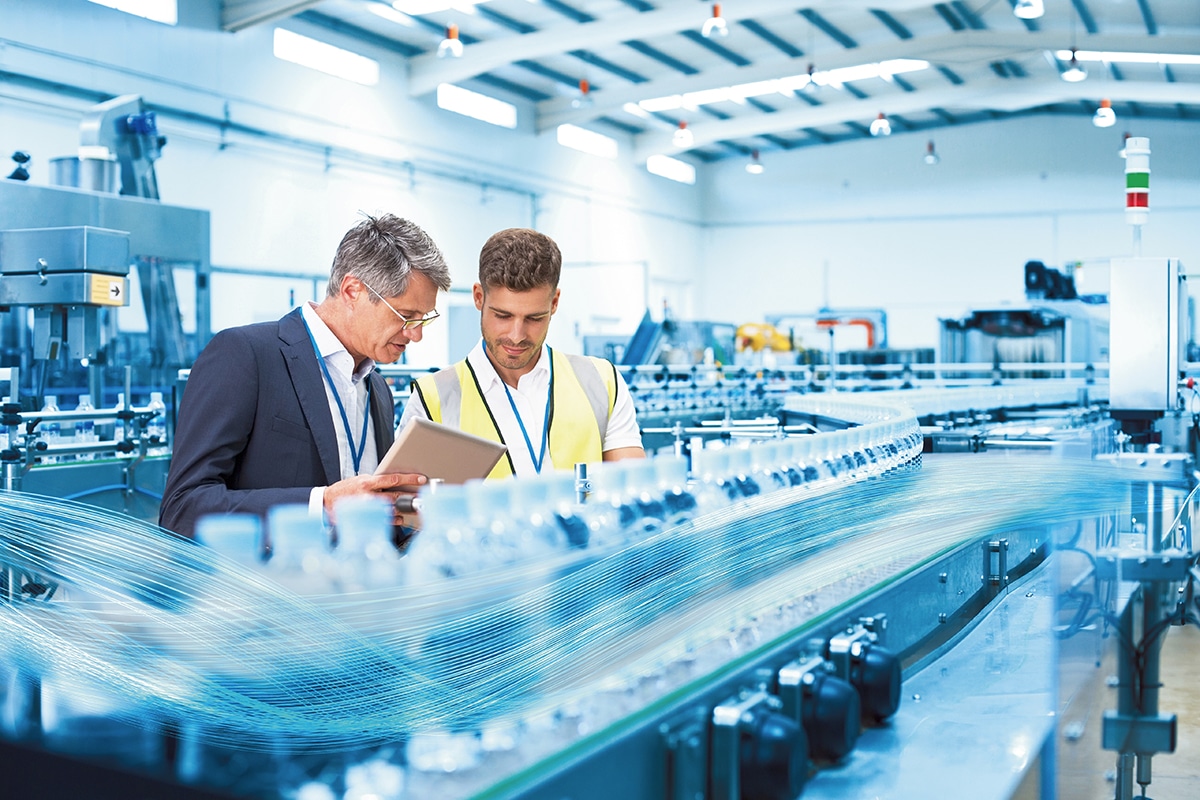
Platform for the food and beverage industry
Each year, losses in the beer industry due to manufacturing defects run as high as 8.3 billion euros worldwide. A striking figure, but not an isolated story. Everywhere in food & beverage must be and remain vigilant about production losses due to increasing complexity and need for flexibility. Smart automation and digitization is therefore the answer. With more than thirty years of experience in this sector, ifm can provide automation solutions like no other that respond to these new challenges. A story of smart sensors and simple connectivity to bring Industry 4.0 within reach.
For ifm electronic, food & beverage is considered a strategic sector. Managing director Marc Everaert: "This means that we constantly keep our finger on the pulse of what is going on in this sector and come up with specific solutions that can add value in these environments. A path on which the company set off more than thirty years ago. And with success. For example, we can call ourselves the inventor of IP69K, a density level that can also withstand the high pressures, temperatures and chemicals associated with cleaning processes. With the introduction of the AS-i standard, we helped this sector take steps toward standardization and automation. A path we continue to follow today. The fact that our latest food & beverage catalog has 155 pages of products shows that we continue to invest and innovate. With specific plastics, for example, that enable long-term use in difficult environments. Because in the food industry, many processes run continuously and one cannot afford downtime."
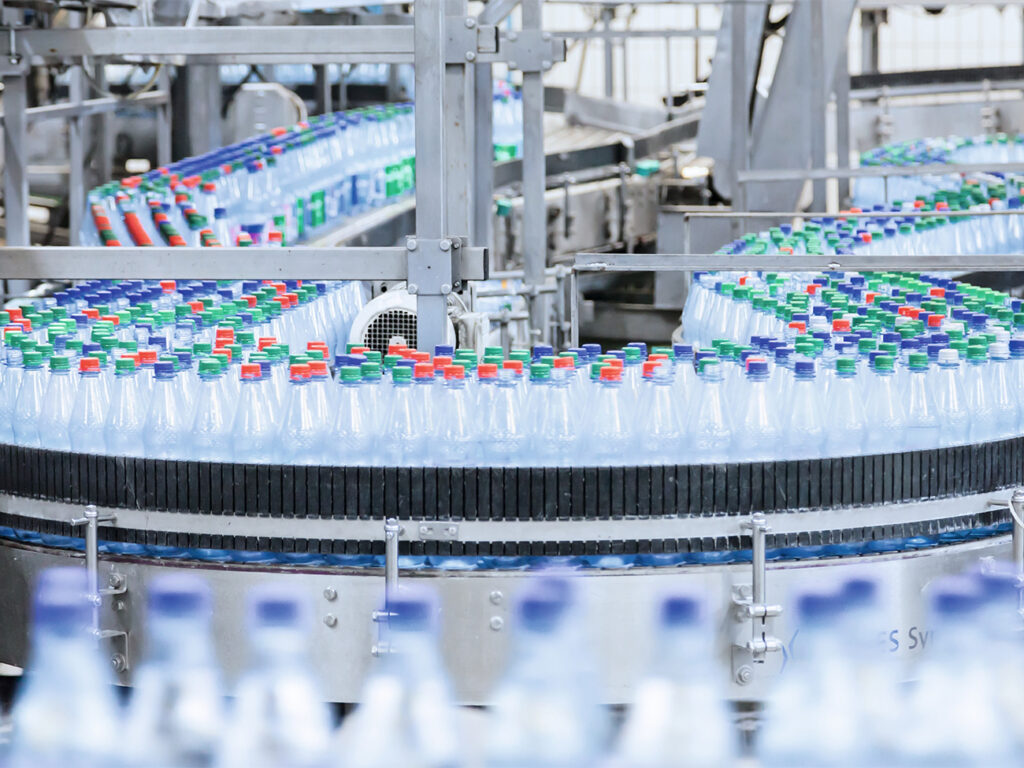
The automation technology from ifm that has been proving itself for years in food environments is now also ready to respond to the new market demands facing food & beverage companies. "The developments we saw a few years ago in the automotive sector are now also seeping in here. Consumers, like their cars, also want to personalize their food more. Beverage and food producers therefore have to switch faster between products and packaging, which increases complexity. This places new demands on their machinery. On the one hand, flexibility must be increased, and on the other, production downtime must be kept to a minimum. A challenge, yes, but at the same time an opportunity to optimize their processes. In addition to the hoped-for gain in flexibility, smart sensor technology can provide benefits in keeping costs down, increasing quality, monitoring processes to avoid errors, and keeping production comprehensible and transparent for every employee," Everaert points out.
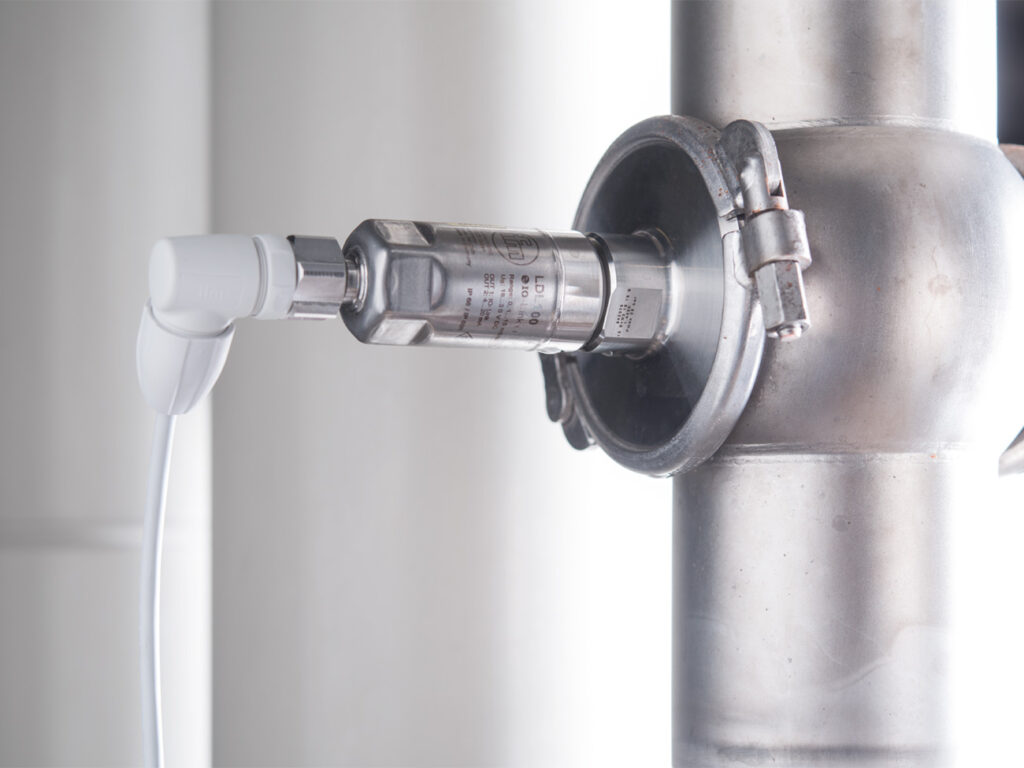
The solutions from ifm, which reach from deep in the field to high in the clouds, already have one thing in common due to the presence of IO-Link: ease of use. Everaert: "Programming is no longer an issue. The sensors only need to be configured. Something that can be done remotely thanks to IO-Link. In combination with the onboard diagnostic functions, you can therefore monitor your sensor fleet very easily." A great example of an innovative sensor is the LDL100. "This conductivity sensor puts users on the path to a more efficient CIP/SIP process, for example. This is because it measures and knows exactly whether enough detergent is passing through your pipes and when sufficient rinsing has taken place. It thus contributes to better product quality, because it eliminates the chance that lye is still present in the pipes. But at the same time, it helps use resources sustainably. Cleaning never takes longer than necessary, because it works with exact reliable values." A second example is the VSA001, a vibration sensor that opens the door to predictive maintenance. In fact, it detects very early on when the condition of bearings or motors is deteriorating. Thus, the problem can be solved before production stops. Your most important machines can thus be permanently monitored, optimizing the budget and time required for maintenance. And so there are 155 pages of examples of how we can help food & beverage customers," Everaert concludes.