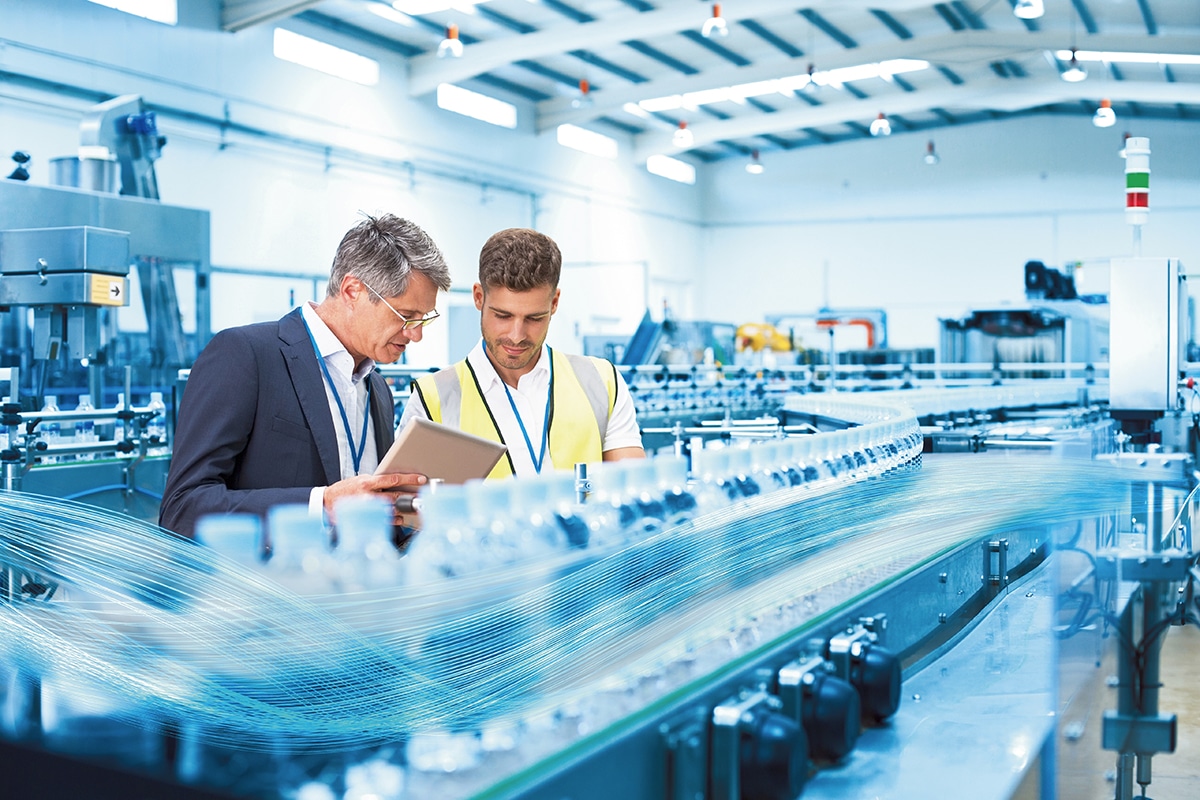
Platform for the food and beverage industry
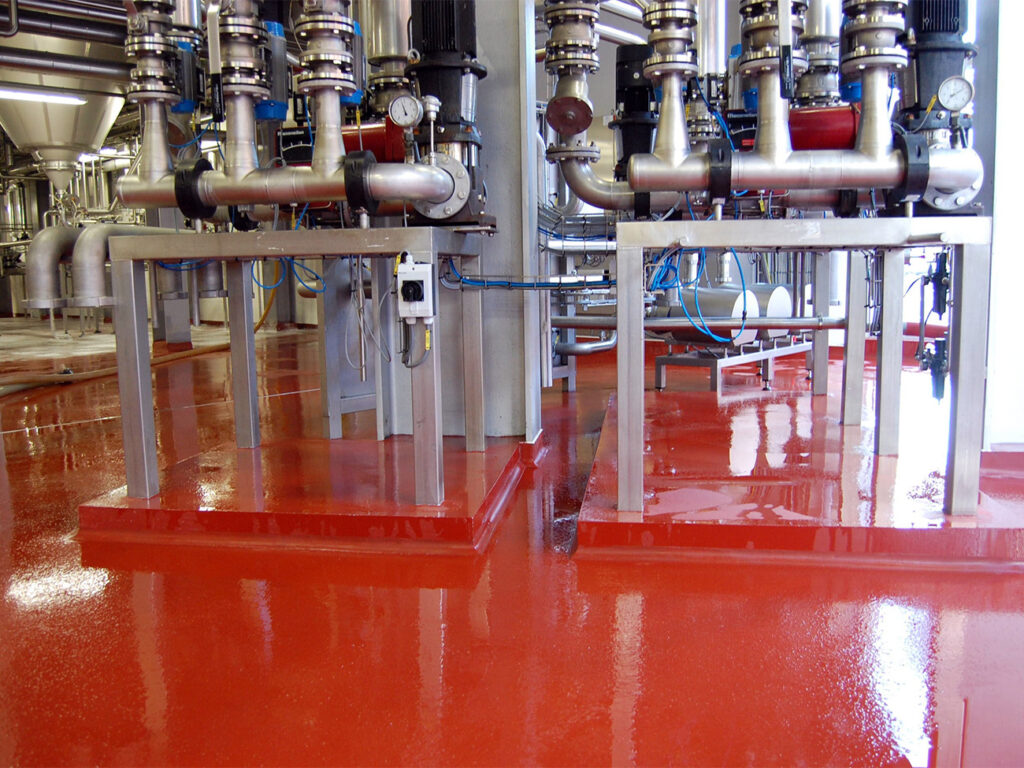
Ucrete industrial floors have been used successfully for decades in the food industry and elsewhere. The durable floors have a number of advantages over other flooring systems. In this article, we list the advantages for you.
Safety is a top priority in industrial environments. In the food industry, the number of slip-induced incidents is higher than in other sectors, including in production environments with wet work areas. It is therefore important to consider this aspect when choosing a floor. Ucrete has a wide range of surface profiles. Optimal slip resistance ensures that there is less risk of slipping, tripping and falling.
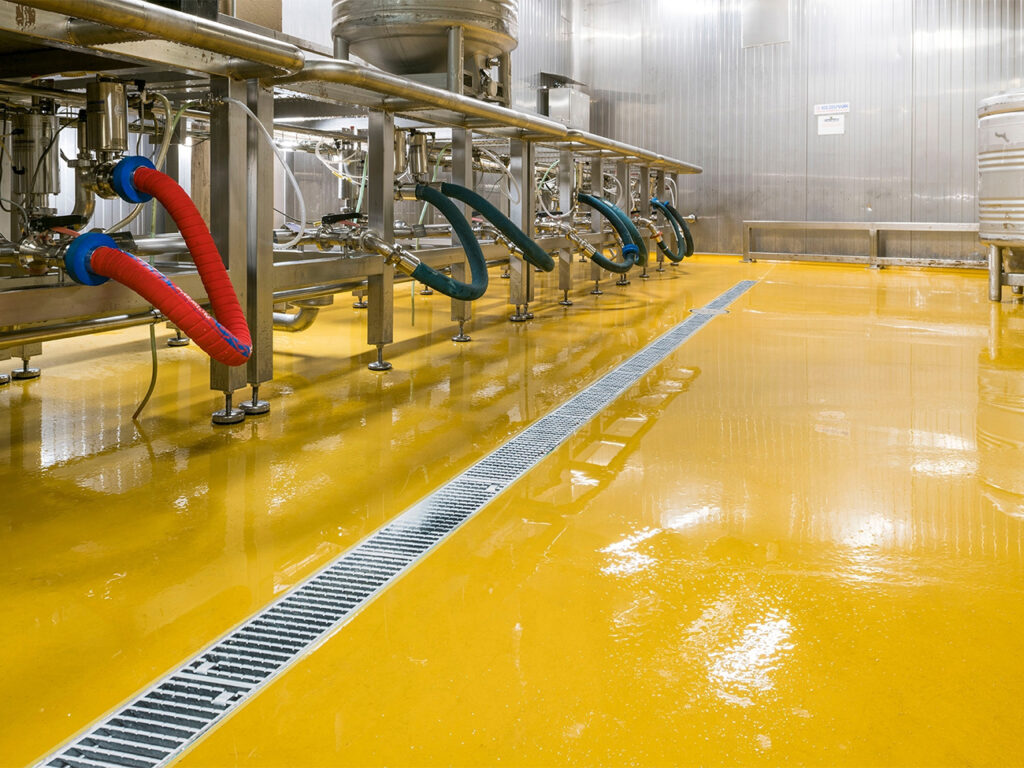
In addition to safety, hygiene is an important concern. Standard floors, such as tile floors, can cause problems. For example, it is necessary to carefully and thoroughly clean porous grout to prevent dirt and bacterial growth between tiles. Pits, broken or chipped tiles are also a potential breeding ground for bacteria. And floor surfaces that are not in one piece can also lead to problems. In some cases, a surface that is not in one piece may vibrate, shift or crack under thermal shock or if the surface is not completely level. This can again cause hygiene and cleanliness problems while increasing the risk of slipping for workers. Ucrete industrial floors do not have the above problems. The seamless surface is liquid-proof and impermeable over its entire thickness. As a result, neither bacterial nor fungal growth occurs which contributes to optimum hygiene and safety. In addition, Ucrete industrial floors guarantee cleanability comparable to the standard used for stainless steel.
When installing a new industrial floor, rapid floor application is often important. The rapid installation of Ucrete results in less production downtime than many other floors. Specialized Ucrete applicators can treat a large area with Ucrete. This is usually done in a much shorter time frame than with other typical industrial floors. Renovation is also done quickly. Ucrete is more low-maintenance and durable than standard floors, especially during the first 10 to 20 years. It will not crack or chip and absorbs direct impacts by spreading them throughout the floor. In addition, fast-curing Ucrete industrial floors allow for trouble-free, permanent and accelerated repair and renovation of floors. After a curing time of barely five hours at a temperature of 10°C, they can be put back into service.
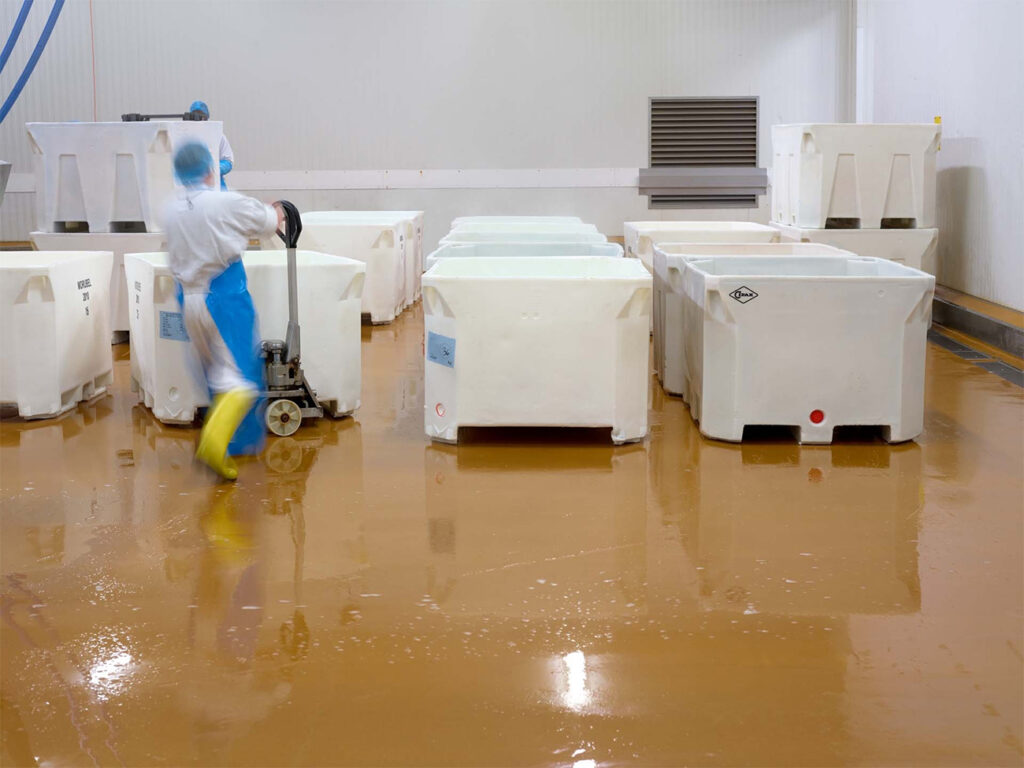
The floors last a very long time, which contributes to sustainability. It also requires less energy for maintenance and less water for cleaning than some standard floors. This is relevant in manufacturing environments where high levels of hygiene are essential. Cleaning and maintaining an industrial floor can account for up to 90% of cumulative energy demand. Correctly installed Ucrete floors can provide a virtually maintenance-free solution for more than 30 years even in the most demanding environments.
The aesthetic aspect of a floor is also important. Recently, Ucrete CS was launched. This is an innovative, color-stable Ucrete industrial floor that sets new aesthetic standards. Color stability means UV resistance and improved stain resistance. It allows greater flexibility for safer production environment design.
In summary, Ucrete floors offer many advantages: they are quick to install, safe, hygienic, exceptionally strong and are resistant to chemicals, temperature and wear so they are not likely to crack. The result is lower maintenance costs than standard floors. Therefore, over the entire lifetime, Ucrete floors are a better investment than other floors because they require less maintenance, cleaning and renovation. In addition to the initial expenditure, it is important to include operating costs in the investment decision to arrive at the right flooring choice. Ucrete floors have a lower total cost of ownership. By choosing a Ucrete industrial floor, users will gain many years - and decades - in lifespan.