Platform for the food and beverage industry
Although the body needs only small amounts of it, 50% of the European population suffers from an iodine deficiency. Because salt is consumed daily and in small amounts, it is an ideal vehicle for supplementing this micronutrient at the population level. That is why international organizations such as the WHO recommend iodizing salt as a simple public health measure. However, many food manufacturers still do not use iodized salt in their recipes today. This is precisely where an important opportunity lies to contribute to improved iodine intake.
Iodine is an essential trace element for thyroid function and a healthy metabolism. For decades, salt has been used as an effective way to incorporate iodine into the diet. When we think of iodized salt, we often think of table salt. In reality, most of our salt intake comes from processed food products. Bread, broth, sauces, salty condiments, instant products, and preserved foods such as processed meats, fish, and pickles account for a large portion of our daily salt intake.
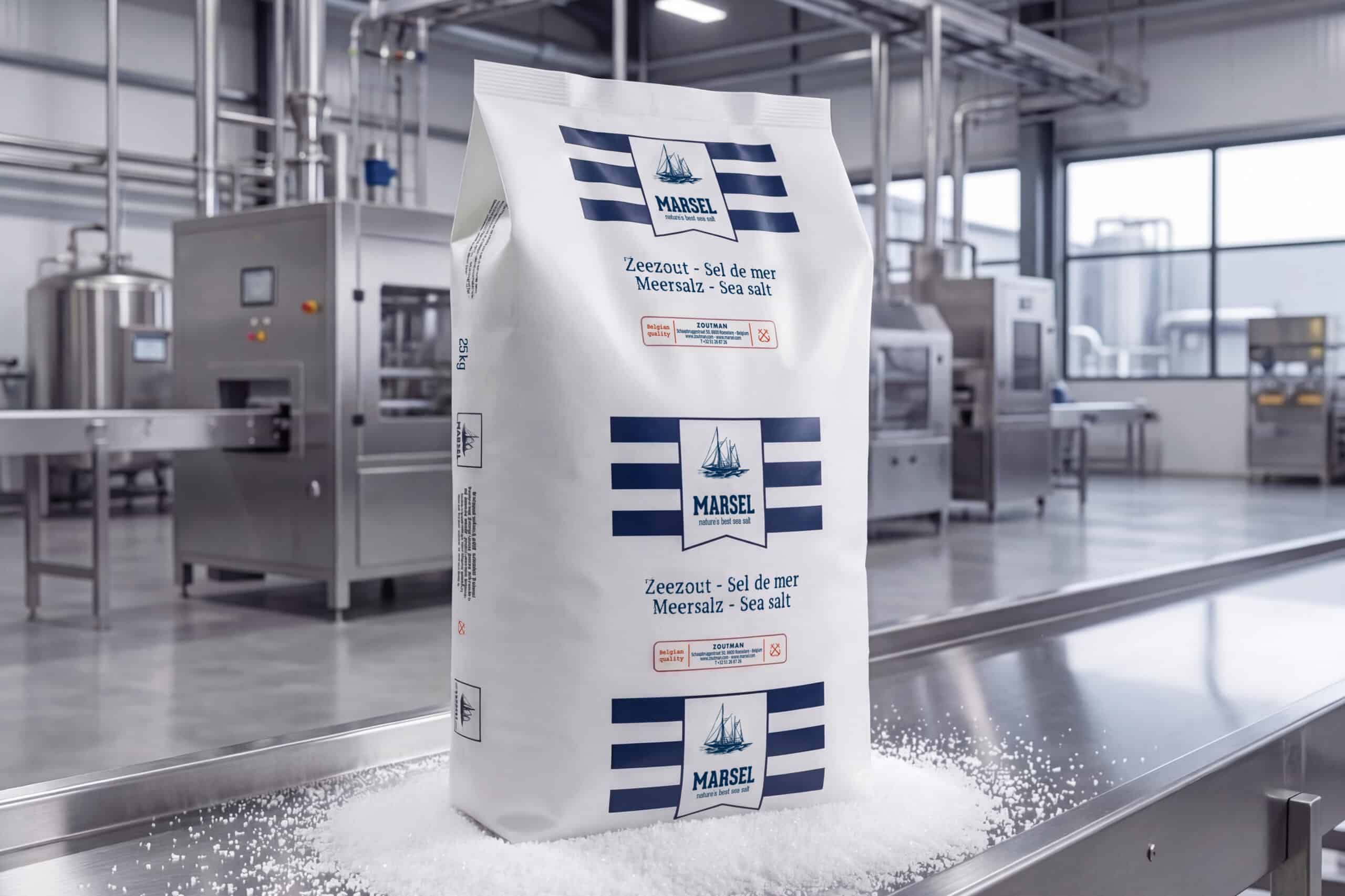
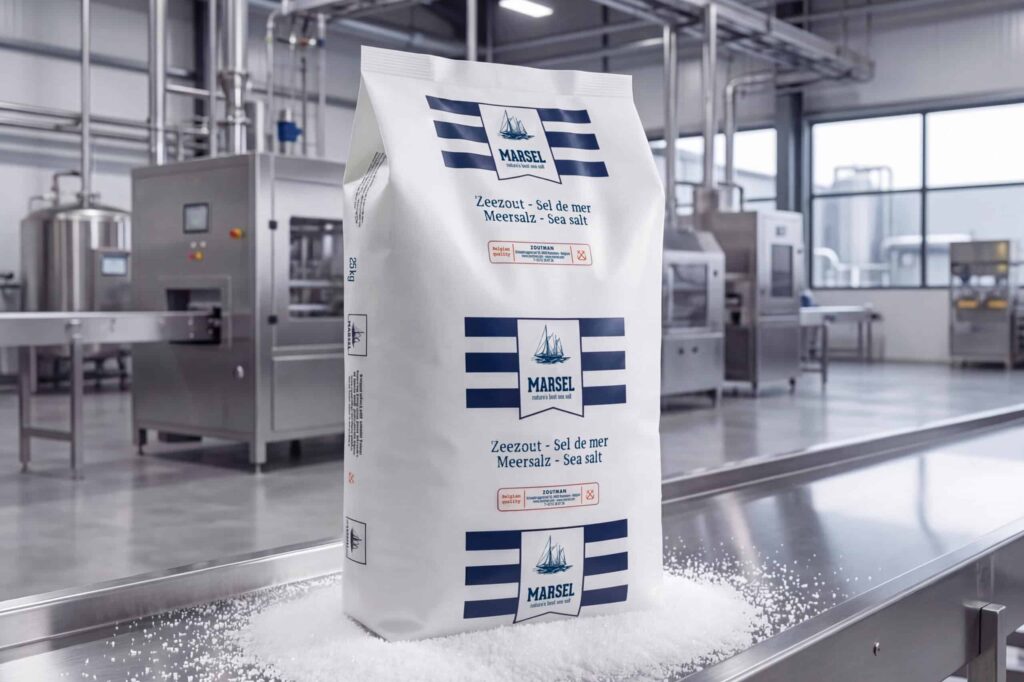
For most manufacturers, using iodized salt poses no technical challenge. Recipes can remain unchanged, and iodine generally has no noticeable effect on taste, texture, or process stability. The question is therefore more strategic: what type of salt do you currently use in your recipes? By choosing iodized salt, food manufacturers can contribute to an important health goal—without impacting their production process. With the right labeling, this can also be an added benefit for the end consumer. In particular, people who eat little meat and fish are susceptible to iodine deficiencies. Producers targeting this demographic have a particular advantage in using iodized salt in their recipes and clearly stating this on the packaging.
The greatest complexity today lies in the regulations. Different countries have their own guidelines for the iodine content in salt, and the rules regarding fortification and labeling vary by market. For producers operating in multiple markets, it is therefore worthwhile to monitor these developments. Suppliers such as ZOUTMAN can assist in determining the correct iodine specifications for different markets.
Neem dan rechtstreeks contact op met ZOUTMAN.
 Contact opnemen
ZOUTMAN is the global leader in high-quality table salt. ZOUTMAN uses exclusively sea salt, which is by far the most environmentally friendly type of salt. When extracting salt from the sea, CO2 emissions are up to 31 times lower than for salt extracted from mines, such as rock salt and vacuum salt. The company aims to achieve a sustainable transition in […]
Bekijk Bedrijfsprofiel