Platform for the food and beverage industry
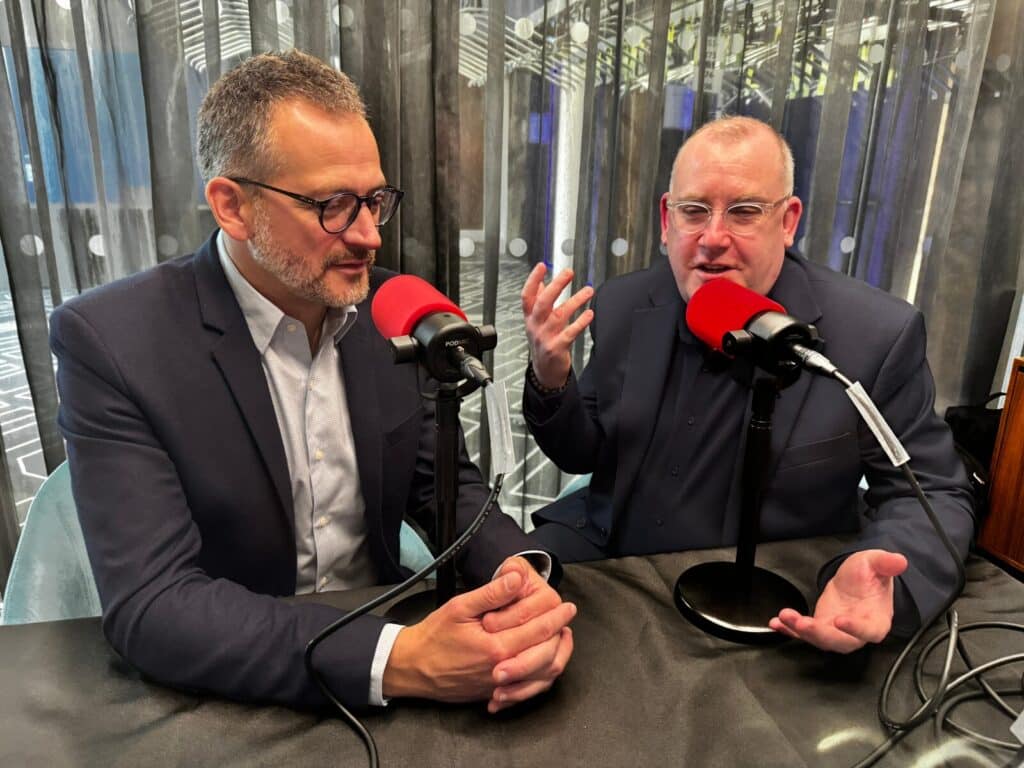
Host: Björn Crul
The familiar barcode has been a staple in the food industry for decades, but it is now undergoing a fundamental evolution. With 2D codes and GS1 Digital Link, a single code can do much more than just identify a product. It can link information about batches, shelf life, logistics, compliance, sustainability, and consumer information. According to Rémy Fontanet and Stephen Tagg According to Markem-Imaje, that is precisely where the major shift lies: not in the code itself, but in the data and systems behind it.
A traditional barcode essentially contains a product number. A 2D code can also include, among other things, a GTIN, serial number, batch number, and expiration date. Through GS1 Digital Link, that same code is also linked to online information. Depending on their role, anyone who scans the code can view different data. For example, a consumer can access recipes, nutritional information, or sustainability information, while a retailer receives logistics data and a regulatory authority receives compliance information. “Printing the code is actually the easiest part,” says Thagg. According to him, the real challenge lies in correctly delivering the right data at the right time. This requires integration with systems such as ERP, MES, and quality management systems. As a result, the transition to 2D codes becomes much more than just a printing or IT project. Production, quality, operations, packaging, marketing, and IT must work together.
On many production lines today, data is still entered manually. An incorrect batch number, an incorrect expiration date, or selecting the wrong product can quickly lead to errors. By integrating systems, that information can be automatically sent from the business systems to the production line. This also has implications for quality assurance. Modern systems can not only print a code but also automatically verify that it is correct and legible before a product leaves the line. This allows errors to be caught before thousands of products are shipped. Traceability also becomes much more accurate. When each product is assigned a unique identifier, it becomes much easier to pinpoint exactly which products are affected in the event of a quality issue. Manufacturers then no longer need to recall or destroy larger quantities than necessary. “Better traceability means smarter recalls,” says Fontanet.
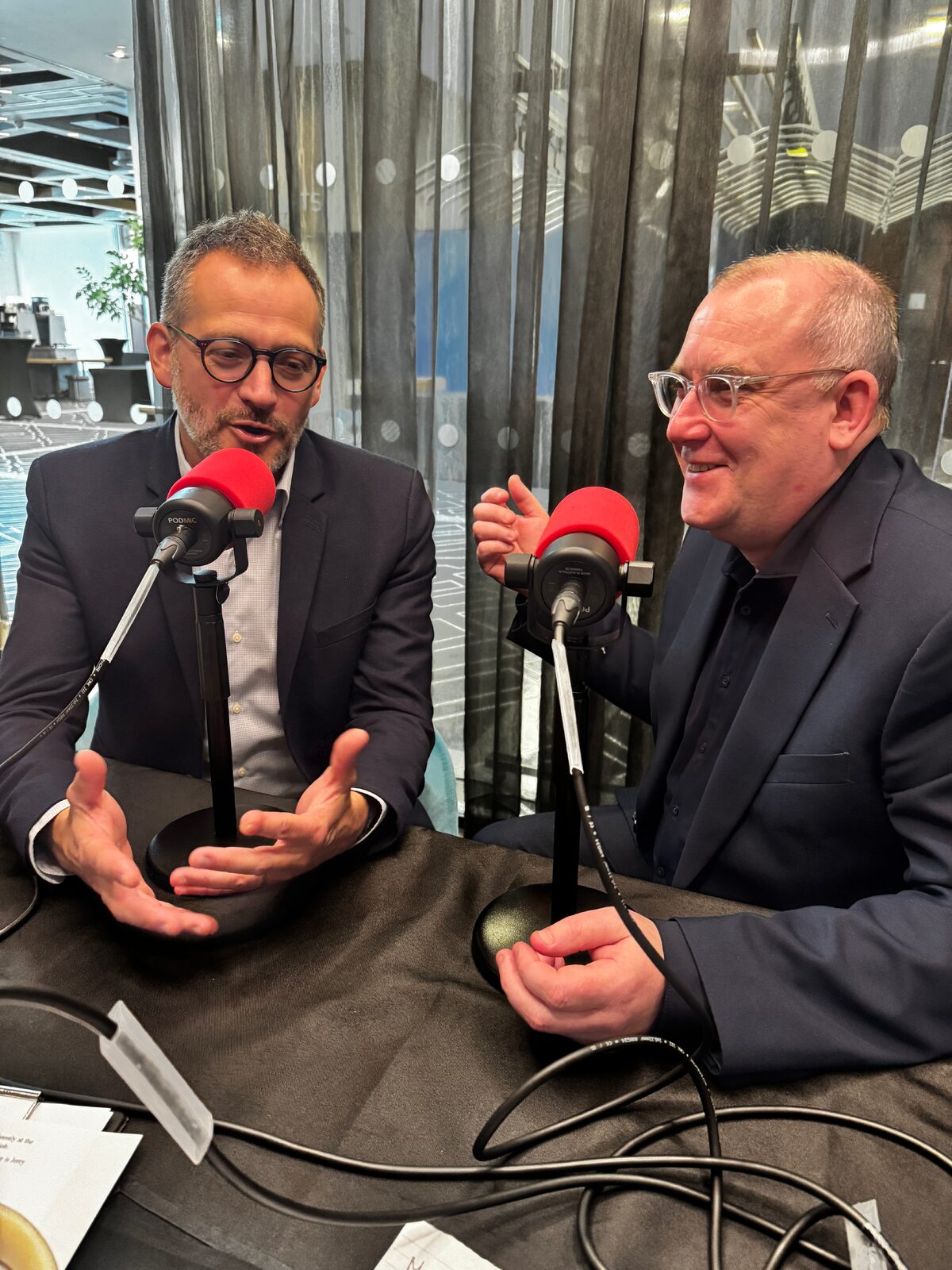
A common standard is essential in this regard. GS1 ensures that manufacturers, retailers, logistics service providers, and regulators speak the same digital language. Without such a shared foundation, each party would develop its own solution, making interoperability virtually impossible. The technological building blocks already exist today: printers, software, and standards are available. The main challenge is connecting them all. Data quality and data consistency are crucial in this regard. When ERP, production, and quality control each work with a different version of the same information, errors become almost inevitable. That is why, according to Thagg, digital transformation does not begin on the production line, but with reliable master data and clear processes. This also applies to applications involving artificial intelligence. AI can optimize production, help predict maintenance needs, and detect anomalies—but only when the underlying data is accurate and consistent. “Data first, then AI.” For manufacturers, the message is therefore not that everything has to change overnight. Fontanet and Thagg recommend first mapping out existing systems, data flows, and processes, identifying gaps, and then scaling up step by step through pilot projects. According to them, anyone who views the transition solely as a mandatory barcode project is missing out on a significant portion of the potential value: improved traceability, reduced waste, more efficient recalls, greater insight into the supply chain, and new opportunities for consumer interaction.
Neem dan rechtstreeks contact op met Markem-Imaje NV.
 Contact opnemen
Markem-Imaje today Markem-Imaje is a trusted global manufacturer of product identification and traceability solutions. Markem-Imaje provides a full range of reliable and innovative inkjet, thermal transfer, laser, printing and labeling systems applications. Markem-Imaje offers fully integrated solutions that stand for quality and safety, comply with all legislations and requirements of retailers, thus reducing recalls [...]
Bekijk Bedrijfsprofiel