Platform for the food and beverage industry

As in many industries, complexity is also on the rise for food companies. They must produce more efficiently, flexibly, and sustainably—all at the same time—without compromising on quality and food safety. Automation and digitization offer opportunities to achieve this, for example by using available production data to implement optimizations. But according to technology company Yitch, those who immediately turn to AI are skipping a few crucial steps.
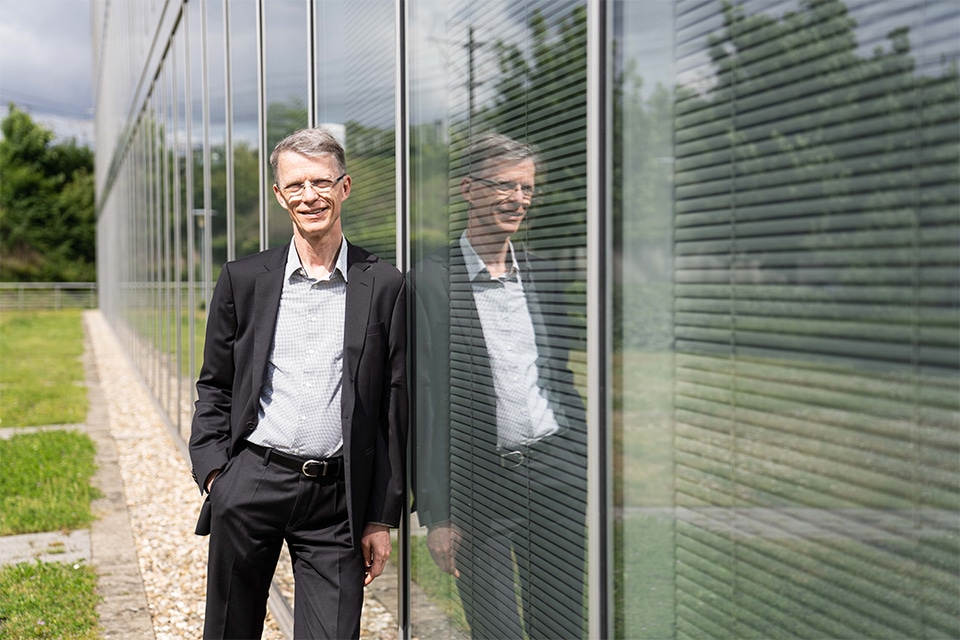
The factory of the future is much more than a high-tech workplace. It is a production environment in which automation, digital processes, and data are used in a targeted manner to support business objectives. Werner Fransen, co-CEO of Yitch: “We use automation to control machines, production lines, and process equipment. Digitization will ensure that business processes on the production floor run smoothly. Together, these two elements should ensure that manufacturing companies remain competitive and can continue to produce close to their consumers.”

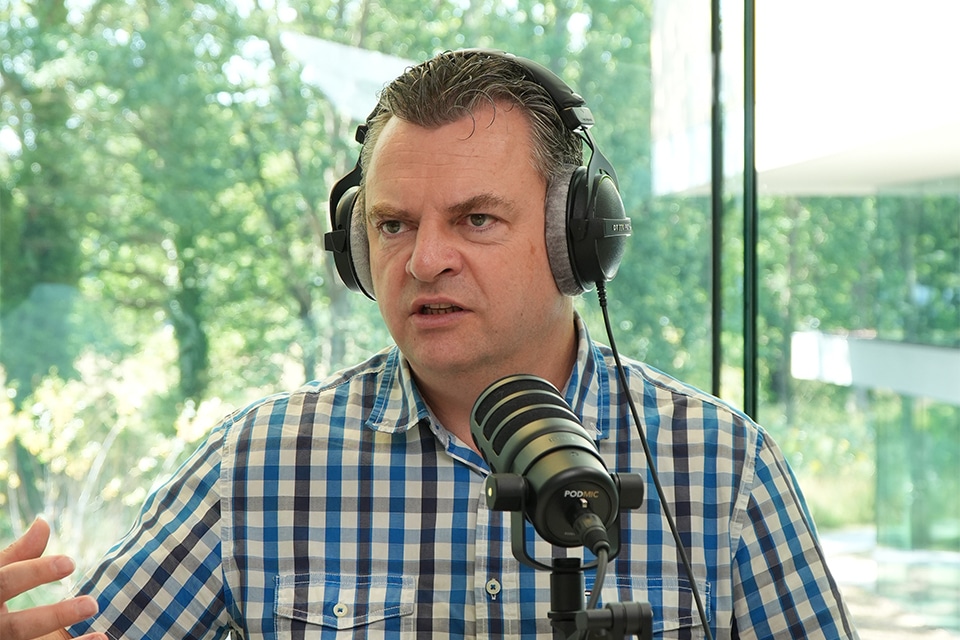
Many food companies have already extensively automated their machinery, but it turns out there are still a surprising number of manual processes. “We see operators recording information in Excel files or on paper, quality checks being tracked separately, or orders that have to be manually transferred from one system to another,” notes key account manager Samir Barrahmun. “By digitizing these processes, you create a single, centralized environment for production planning, traceability, and quality monitoring. And that allows you to start leveraging the data at the same time.”
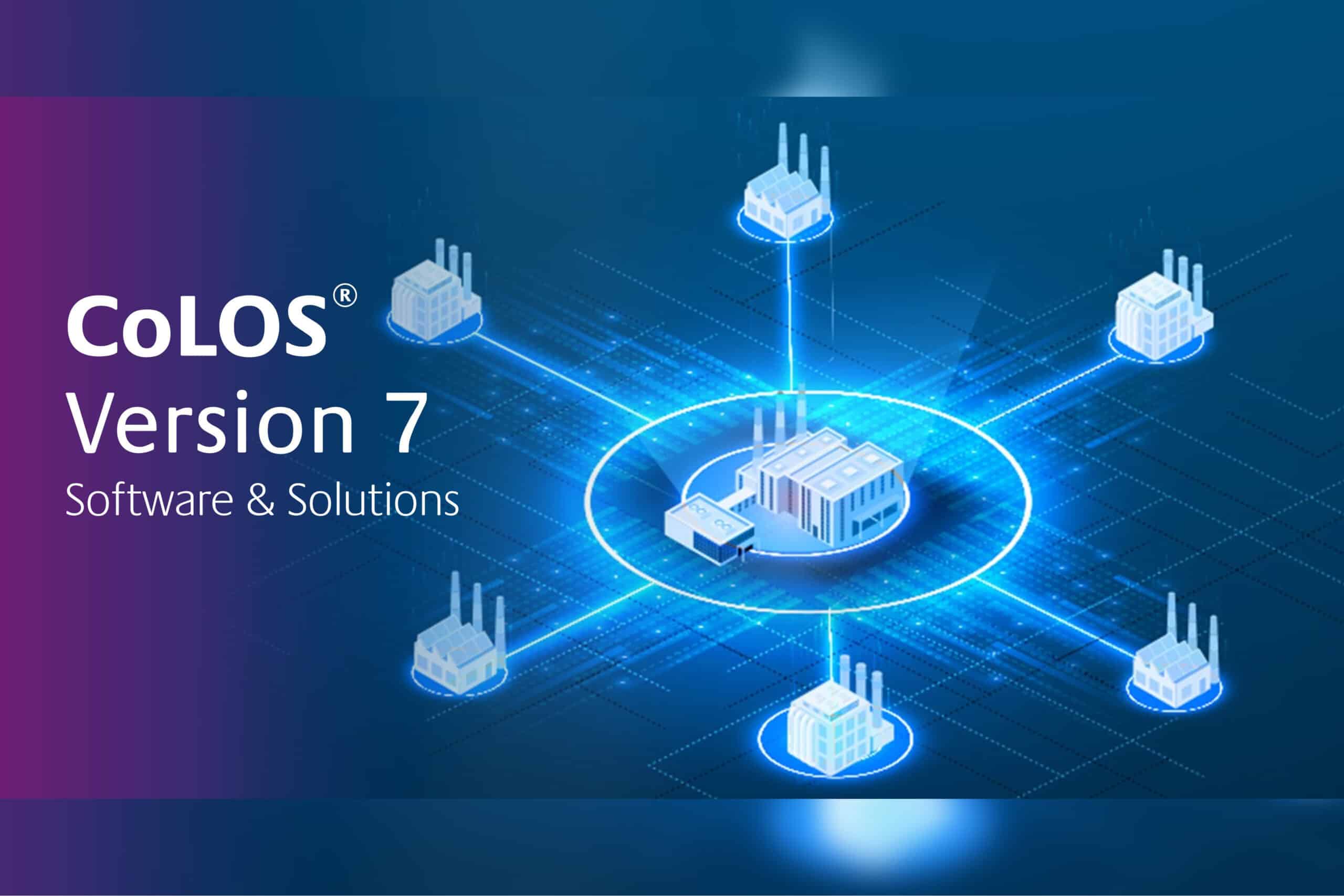
Food companies generate immense amounts of data—not only about production but also about traceability, food safety, labeling, and sustainability, for example. “Often, all these elements are scattered across different systems and silos,” says Fransen. “The first task is to unlock that data, bring it together centrally, and structure it. Data must be available, high-quality, and correctly contextualized before advanced applications can deliver reliable results.” According to Yitch, people today are too quick to look to artificial intelligence as a solution to problems. “If the digital foundations aren’t right, you won’t achieve good results. Moreover, traditional data analysis and statistics can already yield surprisingly valuable insights. For example, historical process data can show under what conditions a production line operates optimally and how much current production deviates from that. It doesn’t all have to be AI right away,” says Barrahmun.
When Yitch’s experts guide a digitization or automation project, they always start with an analysis of the existing production process. “We want to fully understand the customer’s problem,” says Fransen. “To that end, we talk to management, but also to the operations director and the operators. You shouldn’t underestimate the input from the latter group: they know the production lines and understand why certain processes work the way they do.” That’s especially important in existing factories. “Anyone who automates without capturing that knowledge risks improving processes technically but making them more difficult to operate,” notes Yitch’s co-CEO.
After the analysis, the project team translates the needs into a roadmap. “A business case is linked to each step. That’s important for building confidence in the project. We want to avoid a situation where a project starts but stalls along the way due to the lack of a solid business case.”
Next, the implementation is deliberately launched on a limited scale, for example, with a single production line. “The rollout is best done in phases, so the organization can evolve along with it. This approach also allows us to learn from initial experiences, make adjustments, and then move on to a larger rollout. What works well can be expanded to the entire factory or even to other locations,” says Barrahmun.
Smart systems offer multiple benefits. For example, they can better guide operators through complex processes. Companies can produce more with the same number of employees, while workers have more time for quality control and process improvement. Yitch therefore guides operators through the entire process and provides training on new systems. “You can build the most technically sophisticated solution, but if the people on the shop floor don’t want to work with it, the project can never be successful,” says Barrahmun. “Companies that view digitization and automation as a business project have the best chance of success,” adds Fransen. “Anyone who thinks it’s just about a software implementation is taking on much greater risks. Because making a factory smart is a long-term endeavor: products change, customers have different requirements, and technology continues to evolve. That’s why systems must continue to be monitored and optimized even after the go-live. Manufacturing companies that view digitization as an ongoing process rather than a project with an end date will ultimately get the most out of it.”